Beyond the cheque: What Sri Lanka children need from business
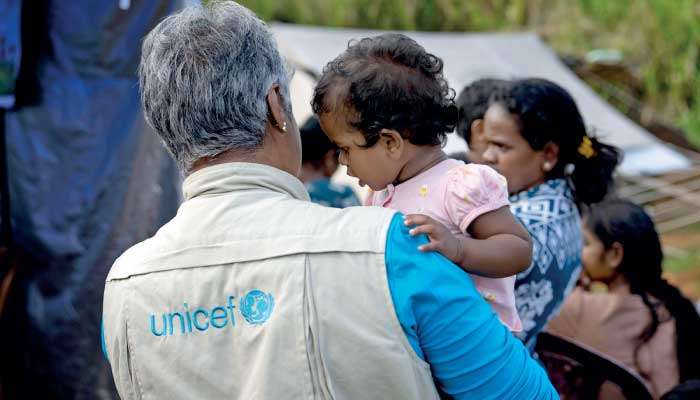
As Sri Lanka marks World Children's Day, UNICEF highlights that businesses must go beyond one-off donations and support systemic reforms to secure the future of the nation's children.
In 60 seconds
- Businesses are urged to support systemic public infrastructure rather than relying solely on isolated charitable projects.
- Recent economic difficulties and climate shocks have disproportionately impacted vulnerable children in plantations and disaster zones.
- Companies can implement family-friendly workplace policies such as extended parental leave and childcare support.
- Major listed companies are encouraged to transparently report their impact on children's rights to ensure accountability.
How this story developed
You are reading Beyond the cheque: What Sri Lanka children need from business
Children's aspirations included in government policy, says Prime Minister
Opposition pledges support to make youth and children rights fundamental
Securing a resilient future for Sri Lanka's children requires the business community to move beyond sporadic charitable donations and help strengthen the public systems that families rely on, according to UNICEF. Marking World Children's Day, child rights advocates point out that while the country has made historic strides in free healthcare and education, recent economic shocks and climate events have left many vulnerable.
The compounding impacts of the recent economic crisis and natural disasters, such as Cyclone Ditwah, have severely affected hundreds of thousands of children, particularly in plantation communities and disaster-prone districts. Government efforts alone cannot bridge these gaps, making private sector collaboration vital for sustainable progress, especially as the nation undergoes wide-ranging education reforms.
Businesses can drive meaningful change by embedding child-friendly policies within their own operations, including extended parental leave, breastfeeding spaces, and flexible working hours. Furthermore, companies can leverage their logistics, technology, and financial expertise to improve service delivery in remote areas and support public infrastructure like schools and clinics.
UNICEF also calls for greater accountability through sustainability reporting, urging major listed companies to transparently disclose their impact on children's rights. With an aging population and a shrinking future workforce, investing in early childhood development is not only a moral imperative but sound economic strategy for Sri Lanka.
Sources
Rewritten by the NewsLanka desk from reports by the outlets below.
- Daily FT
Related stories
Media Activists Launch Campaign Against Gender-Based Violence in Colombo
South Asian Women in Media Sri Lanka has rolled out a multilingual advocacy campaign focusing on how language and media reporting shape public perceptions of gender-based violence.
New study reveals British youth are increasingly stepping back from sexual relationships
A major new study shows that a growing number of young people in Britain are abstaining from sexual relationships compared to previous generations.
Ratnapura Beggar Donates Wheelchair to Hospital in Memory of Late Wife
Elderly Ratnapura resident H. Sunil, who makes a living by begging, has donated a Rs. 27,000 wheelchair to the Kalawana Base Hospital in memory of his late wife.
Matale school principal surprised with birthday cake after clever classroom prank
Students and teachers at Metihakka Mahinda Secondary College in Matale surprised their principal with a birthday cake after tricking him into thinking a fight had broken out.

Supermoon lights up the Sri Lankan night sky tonight
Stargazers across Sri Lanka can witness a larger-than-usual supermoon lighting up the night sky tonight, according to astronomers.

World Television Day Celebrated Today Highlighting Trust in Media
Marking World Television Day today, experts and viewers reflect on the journey from black and white screens to modern digital broadcasting while emphasizing the importance of trust.