CEB Records Rs. 38.7 Billion Loss Amid Recent Tariff Reductions
Financial disclosures reveal that the Ceylon Electricity Board suffered a Rs. 38.7 billion loss in 2025 following a series of electricity tariff reductions.
In 60 seconds
- The Ceylon Electricity Board posted a loss of Rs. 38.7 billion in 2025.
- The financial shortfall follows a series of electricity tariff reductions implemented to provide consumer relief.
- Rising power generation and purchase costs compounded the revenue shortfall for the state utility.
- Industry experts urge a transparent long-term pricing framework to secure power sector stability.
Sri Lanka's power sector faces growing financial concerns as the latest disclosures from the Ceylon Electricity Board indicate a sharp reversal in its financial fortunes. After posting profits in previous years, the state utility recorded a loss of Rs. 38.7 billion in 2025. The Ceylon Electricity Board is the primary state institution responsible for generating, transmitting, and distributing electricity across the island.
The downturn follows a series of policy-driven tariff reductions implemented across 2023, 2024, and 2025 to ease the cost of living for consumers. While these price cuts provided welcome relief to households and businesses, they significantly eroded the utility's revenue. According to official acknowledgments, lower sales revenue coupled with rising power purchase expenses and payments to rooftop solar generators created an unsustainable financial imbalance.
Energy sector analysts point out that prolonged financial losses at the utility could eventually trigger pressure for corrective price revisions or fiscal intervention. Electricity is a foundational input for manufacturing, tourism, and small businesses, meaning sudden tariff hikes could ripple through the broader economy and impact consumer prices.
With the Treasury providing no direct financing to the utility through 2024 and 2025, the institution has been pressed to manage its own liabilities. Experts emphasize that Sri Lanka's energy policy requires a transparent, long-term framework that balances consumer affordability with the financial viability of the power sector.
Sources
Rewritten by the NewsLanka desk from reports by the outlets below.
- Lanka News Web
Related stories
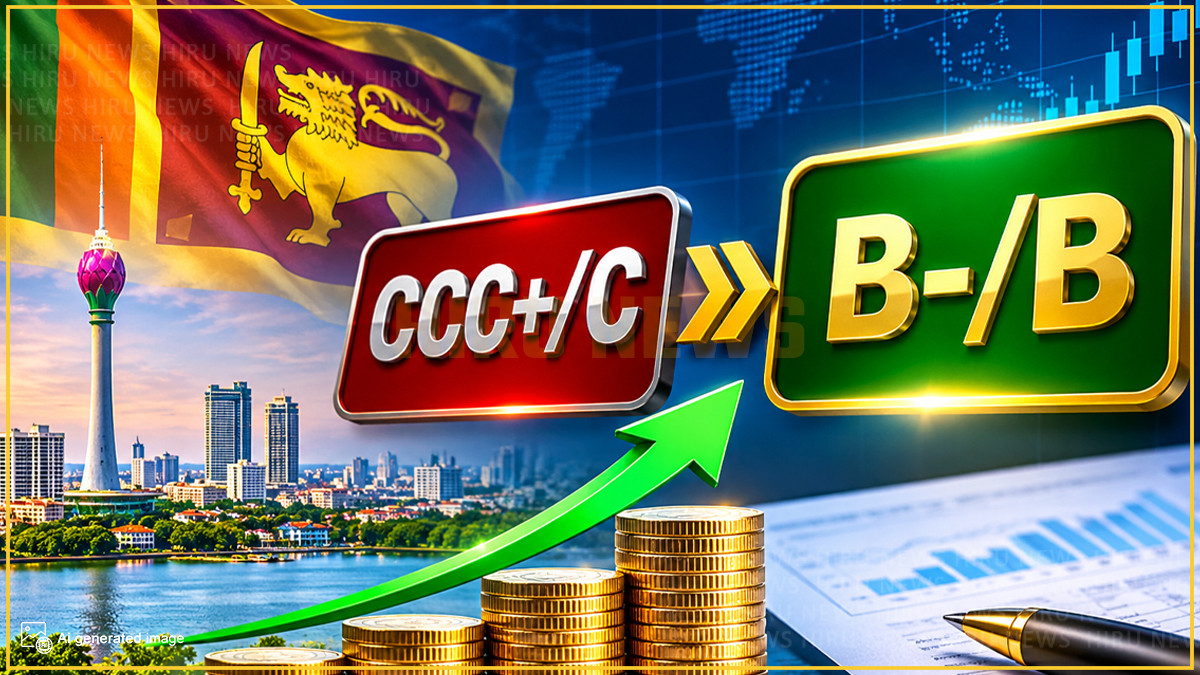
Sri Lanka credit rating upgraded to B-/B by SP Global Ratings
SP Global Ratings has upgraded Sri Lanka's credit rating to B-/B, citing improving government revenue and rising foreign reserves.
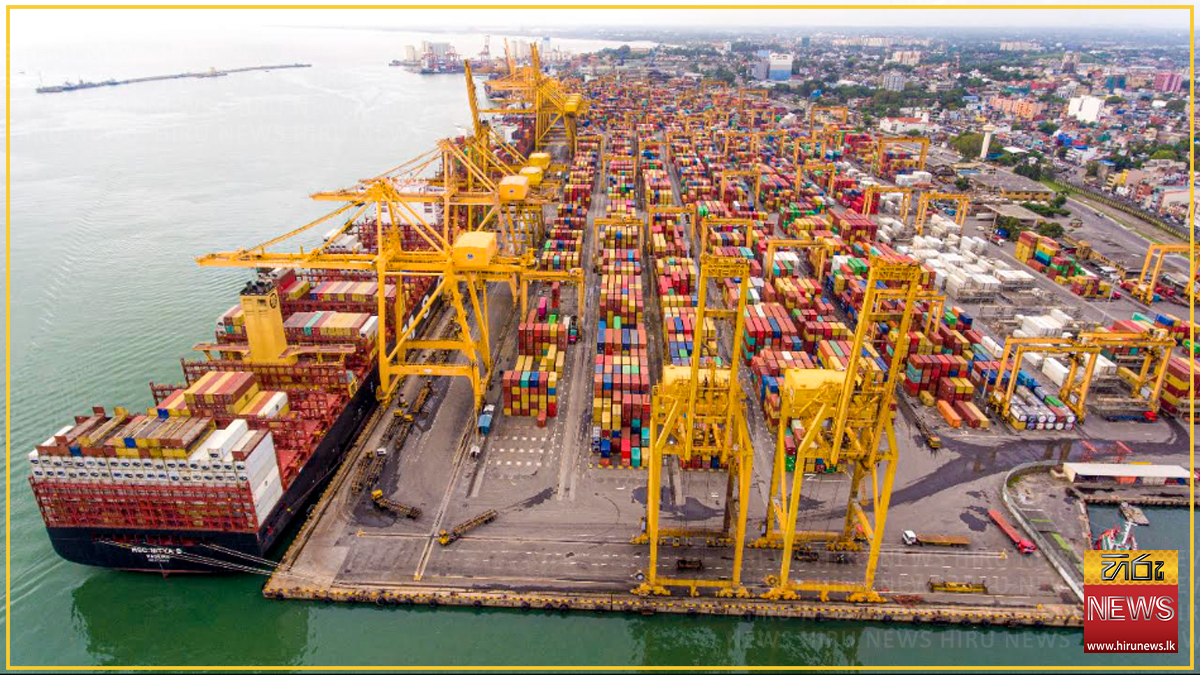
Colombo Port Ranks 17th Among World's Leading Container Ports
The Colombo Port has secured the 17th position globally in the latest UNCTAD Liner Shipping Connectivity Index, placing it among the top twenty container ports.
New insurance scheme launched for passion fruit cultivation in Sri Lanka
The Agricultural and Agrarian Insurance Board has introduced a new insurance scheme for passion fruit growers, offering coverage of around Rs. 387,000 per acre.

IRD warns of heavy fines up to 400000 rupees for delayed tax returns
Taxpayers who fail to submit their income tax returns before November 30 face fines ranging from 50000 to 400000 rupees, according to the Inland Revenue Department.
Sri Lanka and Brazil Sign Agreement to Boost Domestic Sugar Production
Sri Lanka has partnered with Brazil under a US$ 536,046 technical cooperation agreement to enhance local sugarcane cultivation and reduce heavy reliance on imported sugar.
Sri Lanka Trade Deficit Widens to USD 7.9 Billion Amid Higher Imports
Sri Lanka's trade deficit expanded to USD 7.91 billion during the first nine months of the year, driven by a significant surge in import expenditures.