Cheap tea imports threaten collapse of Sri Lanka plantation economy
The Planters' Association warns that unchecked imports of cheap foreign tea are endangering the local plantation economy and smallholder livelihoods.
In 60 seconds
- Planters' Association warns cheap foreign tea imports risk collapsing the local economy.
- Sri Lankan tea production costs are up to 3.1 times higher than regional competitors.
- Unsold tea at the Colombo Tea Auction has surged from under 8% to about 25%.
The Planters' Association of Ceylon has raised serious concerns that the unhindered importation of low-cost foreign teas could cause the collapse of Sri Lanka's vital plantation economy. Issuing a statement, the Association warned that this trend threatens the livelihoods of over 400,000 smallholder farming families while tarnishing the international reputation of Pure Ceylon Tea. Allowing foreign teas to be imported, blended, and re-exported is severely eroding local auction prices and harming domestic producers.
According to the Association, Sri Lanka's tea production costs hover above US$ 3.10 per kilogram, which is roughly 2.5 to 3.1 times higher than major competitors like India and Kenya, where costs range between US$ 1.00 and US$ 1.25. Meanwhile, cheap foreign teas are being brought in at around US$ 1.20 per kilogram for value addition. The Sri Lanka Tea Board regulates the tea industry, overseeing standards and promotions for the country's historic export sector.
Under normal market conditions, unsold tea at the Colombo Tea Auction generally remains between 5% and 8% of weekly offerings. However, following the surge of cheaper foreign teas, this figure has jumped to approximately 25%, with the CTC tea segment bearing the brunt of the impact. This drop in auction returns directly reduces green-leaf payments to smallholders, straining families already burdened by soaring operational expenses.
The Association has urged the Sri Lanka Tea Board to strictly enforce regulations ensuring that imported teas form only a minority in blends to protect the single-origin identity of Ceylon Tea. Without immediate policy interventions to safeguard farm-gate prices and curb regulatory loopholes, authorities risk transforming Sri Lanka from a premier tea producer into a mere transit hub.
Sources
Rewritten by the NewsLanka desk from reports by the outlets below.
- Newswire
- Daily FT
Related stories

Sri Lanka credit rating upgraded to B-/B by SP Global Ratings
SP Global Ratings has upgraded Sri Lanka's credit rating to B-/B, citing improving government revenue and rising foreign reserves.
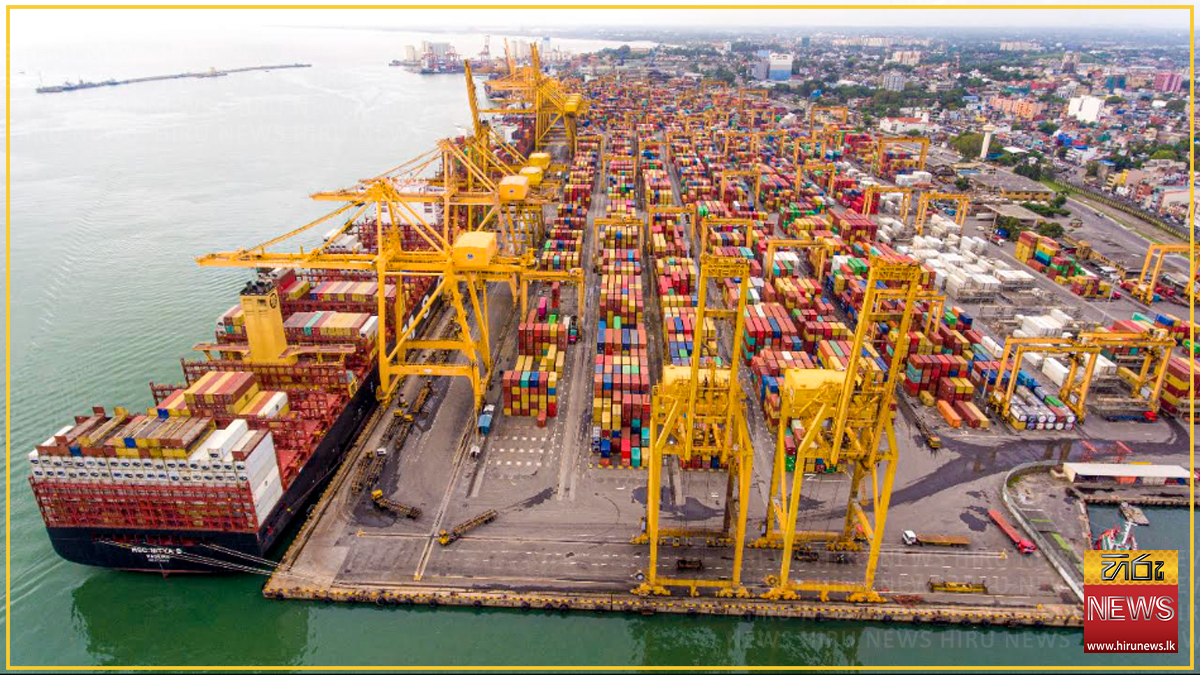
Colombo Port Ranks 17th Among World's Leading Container Ports
The Colombo Port has secured the 17th position globally in the latest UNCTAD Liner Shipping Connectivity Index, placing it among the top twenty container ports.
New insurance scheme launched for passion fruit cultivation in Sri Lanka
The Agricultural and Agrarian Insurance Board has introduced a new insurance scheme for passion fruit growers, offering coverage of around Rs. 387,000 per acre.

IRD warns of heavy fines up to 400000 rupees for delayed tax returns
Taxpayers who fail to submit their income tax returns before November 30 face fines ranging from 50000 to 400000 rupees, according to the Inland Revenue Department.
Sri Lanka and Brazil Sign Agreement to Boost Domestic Sugar Production
Sri Lanka has partnered with Brazil under a US$ 536,046 technical cooperation agreement to enhance local sugarcane cultivation and reduce heavy reliance on imported sugar.
Sri Lanka Trade Deficit Widens to USD 7.9 Billion Amid Higher Imports
Sri Lanka's trade deficit expanded to USD 7.91 billion during the first nine months of the year, driven by a significant surge in import expenditures.