Monsoon management: Why Colombo flooded and how to build resilience
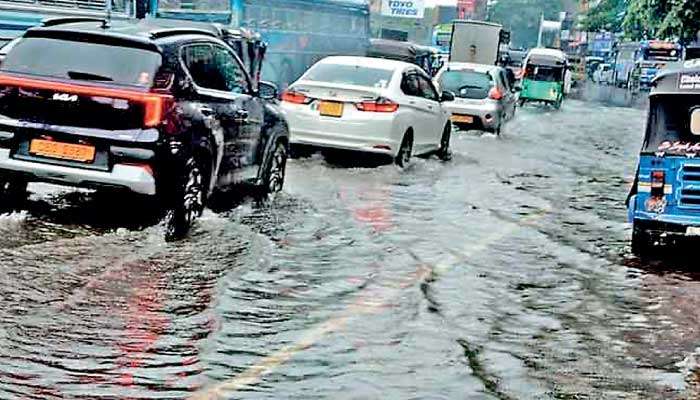
Recent heavy rains that dumped over 120mm in an hour exposed deep drainage limitations in Colombo, highlighting the urgent need for integrated flood-risk management.
In 60 seconds
- Colombo received approximately 129 mm of rain in one hour on November 7.
- The city drainage system was originally designed for a capacity of about 30 mm per hour.
- The downpour was driven by second inter-monsoon conditions and the Intertropical Convergence Zone.
- Experts call for an integrated flood-risk management approach rather than basic flood control.
How this story developed
Colombo Flooding Rooted in Long-Term Planning Failures, Says PM
You are reading Monsoon management: Why Colombo flooded and how to build resilience
The inundation that recently affected Colombo cannot be dismissed as a mere consequence of heavy downpours alone. On November 7, Colombo Municipal Council officials recorded roughly 129 millimetres of rain within a single hour. This heavily overwhelmed the city's drainage network, which is designed to handle only about 30 millimetres per hour.
Meteorological authorities attributed the severe weather to intense thunderstorms tied to the second inter-monsoon period and the Intertropical Convergence Zone. However, experts note that decades of urban development, clogged drains, and the gradual loss of natural absorbent terrain significantly worsened the impact on residents and motorists.
Sri Lanka's rainfall is governed by distinct seasonal patterns, including two inter-monsoonal periods. Phenomena such as the Madden-Julian Oscillation also influence regional precipitation. While climate change increases the frequency of extreme weather, local urban planning choices directly dictate how vulnerable cities remain.
Experts argue that the country must transition from short-term flood control to comprehensive flood-risk management. Drawing inspiration from ancient hydraulic traditions that prioritized water retention and ecological balance, modern urban planners are urged to protect remaining wetlands and upgrade infrastructure for future climate realities.
Sources
Rewritten by the NewsLanka desk from reports by the outlets below.
- Daily FT
Related stories
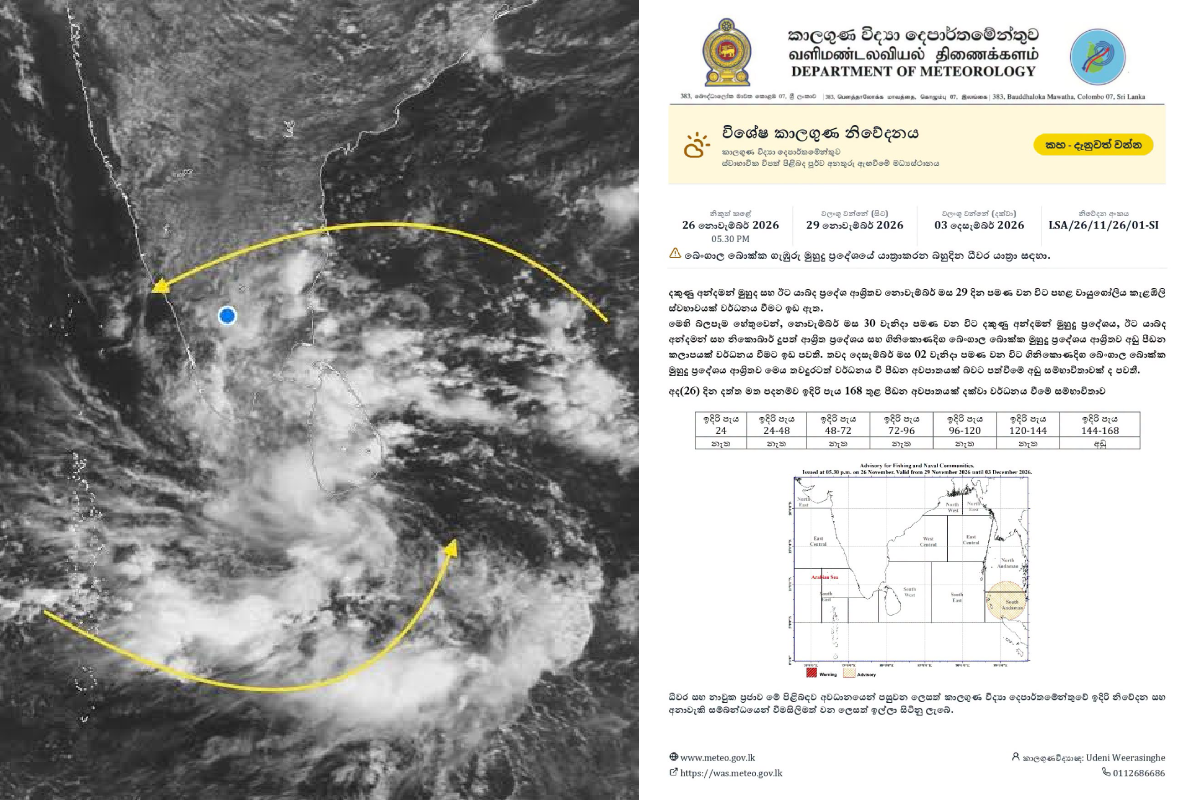
Weather department issues special advisory for deep sea fishermen
Authorities have urged multi-day fishing and naval communities in the deep sea areas of the Bay of Bengal to remain vigilant as a low-pressure system is expected to develop.
Heavy showers exceeding 100mm expected in several provinces
The Department of Meteorology has warned of heavy rainfall exceeding 100 millimetres across five provinces today.
Severe thunderstorm and lightning warning issued for 14 districts
The Department of Meteorology has issued an amber warning for severe thunderstorms and lightning across 14 districts, effective until tonight.
Amber weather advisory issued for severe lightning and heavy rain
The Department of Meteorology has issued an Amber weather advisory warning of heavy rainfall exceeding 100mm and severe lightning in several areas.
Six spill gates of Deduru Oya Reservoir opened amid rain
Authorities have opened six spill gates of the Deduru Oya Reservoir by one foot each to manage rising water levels. Residents downstream have been advised to remain vigilant.
Two sluice gates of Thabbowa Reservoir opened due to heavy rains
The Irrigation Department opened two sluice gates of the Thabbowa Reservoir by six inches each at 10.00 pm following heavy downpours in the area.