Sri Lanka’s Digital Export Ambitions Face Institutional Accountability Hurdles
Sri Lanka's goal to achieve a US$5 billion digital export economy by 2030 faces hurdles due to institutional gaps and monitoring weaknesses.
In 60 seconds
- Sri Lanka aims for a US$5 billion digital export industry by the year 2030.
- A joint review by the EDB and Digital Economy Ministry highlighted monitoring and data gaps.
- Proposals include mandatory exporter registration and enhanced bilateral market access.
- Officials stressed the need for transparent annual reporting on foreign exchange receipts.
How this story developed
You are reading Sri Lanka’s Digital Export Ambitions Face Institutional Accountability Hurdles
Sri Lanka and Kazakhstan discuss setting up national AI data center
Sri Lanka’s strategic vision to build a US$5 billion digital export industry by 2030 is facing critical questions regarding regulatory preparedness and institutional efficiency, as authorities evaluate gaps in measuring and scaling service-sector exports. A recent review session between the Export Development Board and the Digital Economy Ministry brought to light the pressing need to strengthen performance tracking, exporter identification, and foreign exchange recording.
Under the National Export Development Plan for 2026 to 2030, total national exports are targeted to reach US$36 billion, with the ICT and business process management sector expected to contribute US$5 billion. However, the core challenge lies in establishing a robust implementation framework capable of turning these projections into tangible economic results. Discussions included introducing mandatory exporter registration to better identify digital enterprises and build a comprehensive national database.
Officials noted that registration alone will not drive growth unless policymakers address the underlying regulatory obstacles and international competitiveness issues faced by local firms. Accurate measurement of service-sector earnings is equally vital to evaluate foreign exchange inflows and assess the true contribution of the digital economy to national income.
The review meeting was chaired by Deputy Minister Eng. Eranga Weeraratne, with Ministry Secretary G.G.S.C. Roshan, Presidential Chief Adviser on Digital Economy and ICTA Chairman Dr. Hans Wijayasuriya, and EDB Chairman Mangala Wijesinghe in attendance. The Export Development Board functions as the premier state institution tasked with developing and promoting the country's export trade.
Participants emphasized the importance of minimizing coordination overlaps between agencies such as GovTech, ICTA, and the EDB by assigning clear, measurable targets. Experts suggest that publishing annual progress reports on actual ICT earnings, foreign exchange receipts, and job creation will be essential to ensure transparency and accountability as the country pursues its economic recovery goals.
Sources
Rewritten by the NewsLanka desk from reports by the outlets below.
- Lanka News Web
Related stories
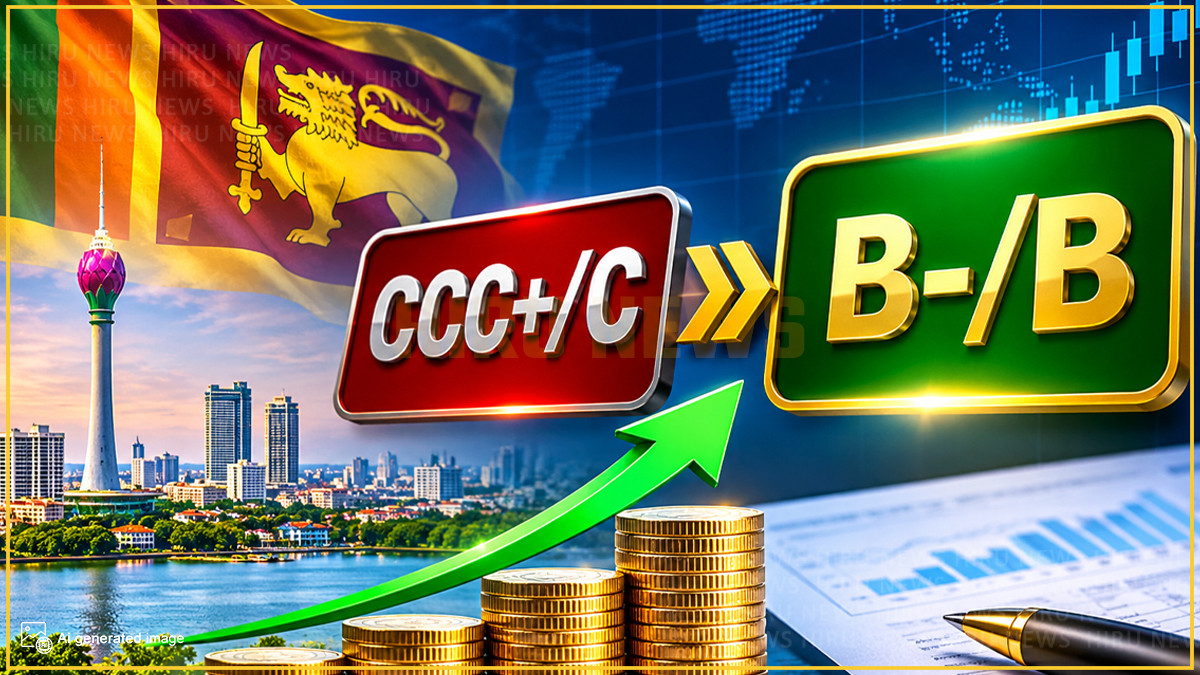
Sri Lanka credit rating upgraded to B-/B by SP Global Ratings
SP Global Ratings has upgraded Sri Lanka's credit rating to B-/B, citing improving government revenue and rising foreign reserves.
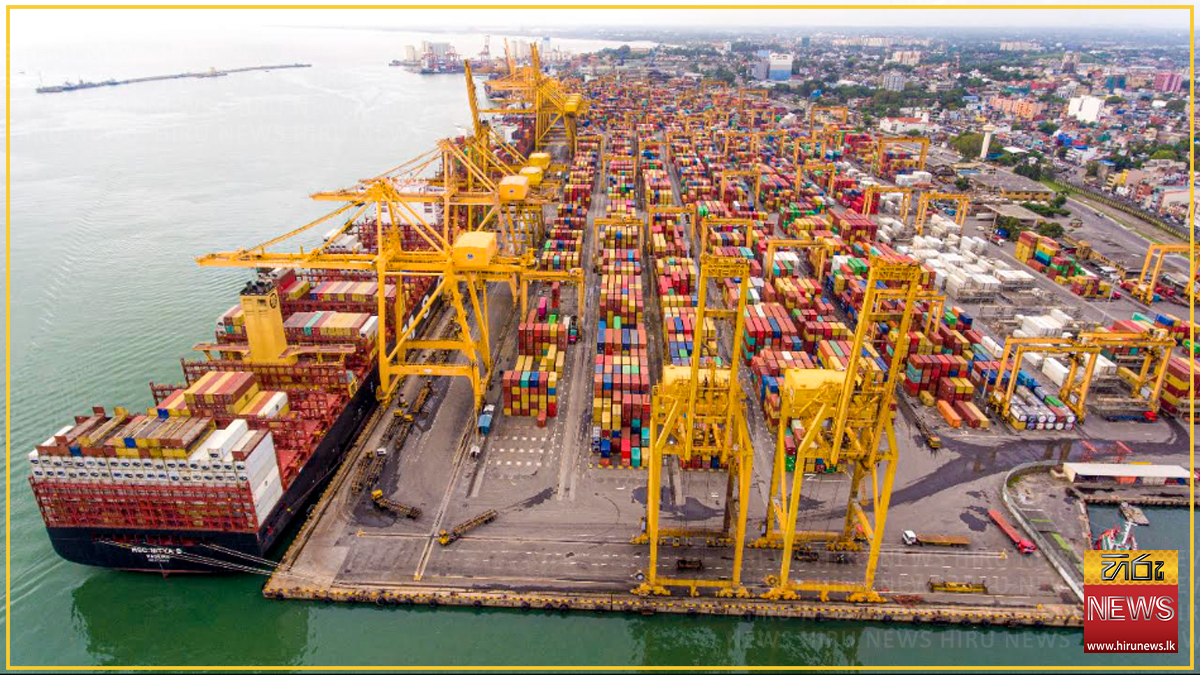
Colombo Port Ranks 17th Among World's Leading Container Ports
The Colombo Port has secured the 17th position globally in the latest UNCTAD Liner Shipping Connectivity Index, placing it among the top twenty container ports.
New insurance scheme launched for passion fruit cultivation in Sri Lanka
The Agricultural and Agrarian Insurance Board has introduced a new insurance scheme for passion fruit growers, offering coverage of around Rs. 387,000 per acre.

IRD warns of heavy fines up to 400000 rupees for delayed tax returns
Taxpayers who fail to submit their income tax returns before November 30 face fines ranging from 50000 to 400000 rupees, according to the Inland Revenue Department.
Sri Lanka and Brazil Sign Agreement to Boost Domestic Sugar Production
Sri Lanka has partnered with Brazil under a US$ 536,046 technical cooperation agreement to enhance local sugarcane cultivation and reduce heavy reliance on imported sugar.
Sri Lanka Trade Deficit Widens to USD 7.9 Billion Amid Higher Imports
Sri Lanka's trade deficit expanded to USD 7.91 billion during the first nine months of the year, driven by a significant surge in import expenditures.