Project Delays Turn Foreign-Funded Development Schemes Into Economic Liabilities
Slow implementation and low fund utilisation across foreign-funded development projects have raised concerns about public administration and mounting financial obligations in Sri Lanka.
In 60 seconds
- Foreign-grant projects spent only 7.9 percent of their annual allocation by the end of June 2026.
- Foreign-loan projects achieved just 36.4 percent of their first-half spending targets.
- Delays were driven by scope changes, land acquisition hurdles, and procurement issues.
- Authorities stress the need for stronger ministerial accountability and project monitoring.
Sri Lanka continues to face persistent challenges in translating foreign-financed development investments into completed infrastructure within planned schedules. According to the Department of Project Management and Monitoring (DPMM), reviewing performance during the first half of 2026, administrative bottlenecks and coordination failures have severely undermined public investment efficiency. By the end of June, 2026, 26 foreign-grant-funded projects had utilised only Rs. 2.51 billion, which is a mere 7.9 percent of their total annual allocation.
A similar trend was observed in foreign-loan-funded initiatives. Out of 66 such projects, only Rs. 55.13 billion was spent from an annual allocation of Rs. 377.19 billion, achieving just 36.4 percent of the first-half spending target. When development projects fall significantly behind schedule, Sri Lanka risks accumulating substantial financial commitments and repayment obligations without receiving the expected economic and infrastructural benefits.
The DPMM identified multiple factors contributing to these delays, including frequent changes in project scope, suspended disbursements, rising construction costs, land acquisition difficulties, and weather-related disruptions. Additionally, poor performance by consultants and inadequate initial feasibility studies have hampered progress before construction even advances. While government bodies such as the Public Investment Monitoring and Evaluation Committee regularly review these bottlenecks, existing mechanisms have struggled to deliver timely corrective actions.
Experts emphasise that ministry secretaries and project directors must assume greater accountability to resolve implementation flaws. Establishing transparent public dashboards and conducting independent reviews for chronically delayed projects could help ensure that borrowed funds contribute effectively to national growth rather than turning into administrative liabilities.
Sources
Rewritten by the NewsLanka desk from reports by the outlets below.
- Lanka News Web
Related stories
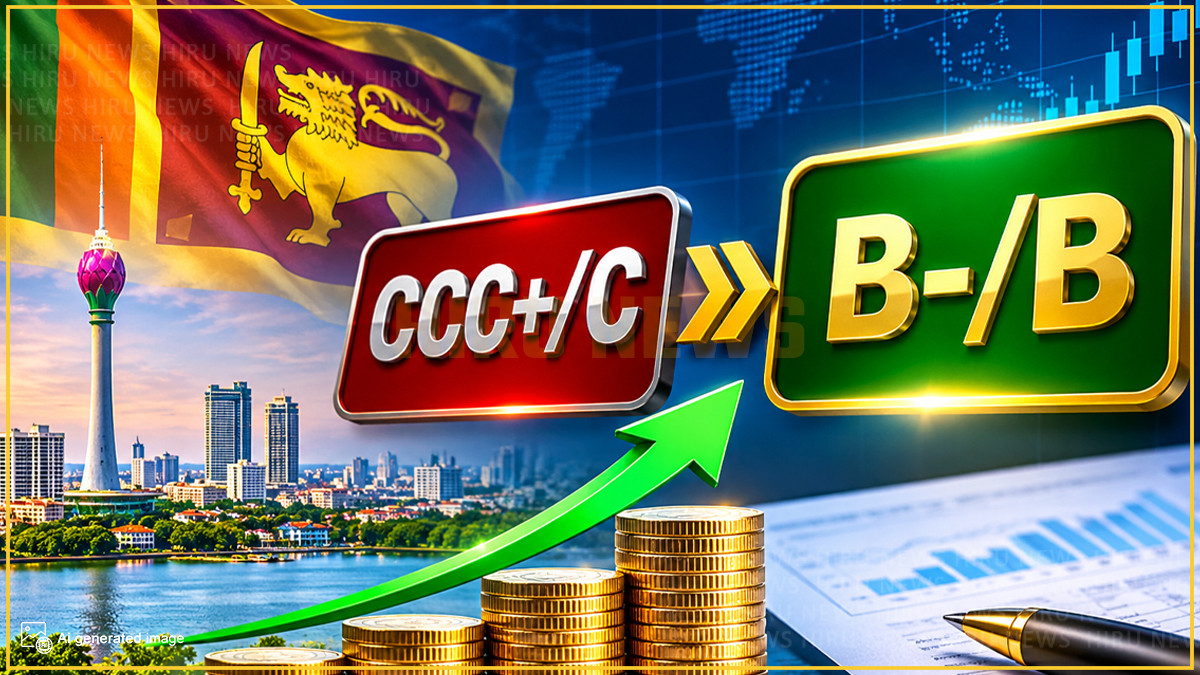
Sri Lanka credit rating upgraded to B-/B by SP Global Ratings
SP Global Ratings has upgraded Sri Lanka's credit rating to B-/B, citing improving government revenue and rising foreign reserves.
Colombo Port Ranks 17th Among World's Leading Container Ports
The Colombo Port has secured the 17th position globally in the latest UNCTAD Liner Shipping Connectivity Index, placing it among the top twenty container ports.
New insurance scheme launched for passion fruit cultivation in Sri Lanka
The Agricultural and Agrarian Insurance Board has introduced a new insurance scheme for passion fruit growers, offering coverage of around Rs. 387,000 per acre.

IRD warns of heavy fines up to 400000 rupees for delayed tax returns
Taxpayers who fail to submit their income tax returns before November 30 face fines ranging from 50000 to 400000 rupees, according to the Inland Revenue Department.
Sri Lanka and Brazil Sign Agreement to Boost Domestic Sugar Production
Sri Lanka has partnered with Brazil under a US$ 536,046 technical cooperation agreement to enhance local sugarcane cultivation and reduce heavy reliance on imported sugar.
Sri Lanka Trade Deficit Widens to USD 7.9 Billion Amid Higher Imports
Sri Lanka's trade deficit expanded to USD 7.91 billion during the first nine months of the year, driven by a significant surge in import expenditures.