Sri Lanka economy must run on domestic strength after IMF support ends
Former Central Bank Deputy Governor Dr. W. A. Wijewardena notes that Sri Lanka must rely solely on domestic revenue streams once the current IMF bailout program concludes in March 2027.
In 60 seconds
- The current IMF Extended Fund Facility program ends in March 2027.
- Sri Lanka's economy will then depend entirely on domestic revenue generation.
- Experts compare the current recovery phase to a hybrid vehicle losing electric support.
- A new support program may be necessary to sustain long-term growth momentum.
Delivering the keynote address at the Budget Forum organised by the Institute of Certified Management Accountants of Sri Lanka, former Central Bank Deputy Governor Dr. W. A. Wijewardena highlighted that the country's economic journey will face a major transition when international support wraps up.
Describing the ongoing economic framework akin to a hybrid vehicle, he pointed out that the International Monetary Fund acted as the electric motor providing crucial power to pull the nation out of the severe financial crisis experienced in 2022. That recovery was accelerated through policy reforms and debt restructuring backed by international partners.
With the current arrangement expiring, the nation will need to navigate the remaining months solely using its own domestic engine power. To maintain steady growth momentum beyond this period, Dr. Wijewardena expressed his personal expectation that the government would likely pursue a subsequent program with the institution.
Institute of Certified Management Accountants of Sri Lanka serves as a premier professional body promoting management accounting standards and regularly hosts public forums to discuss national fiscal policies.
Sources
Rewritten by the NewsLanka desk from reports by the outlets below.
- Lanka C News
Related stories
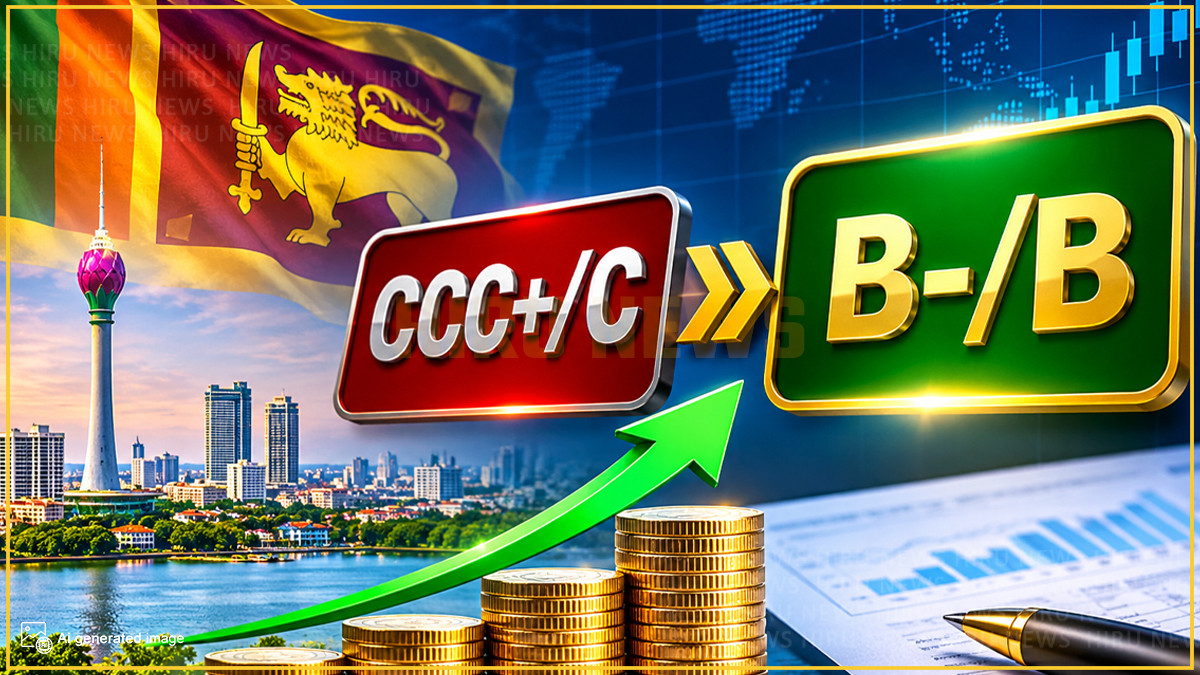
Sri Lanka credit rating upgraded to B-/B by SP Global Ratings
SP Global Ratings has upgraded Sri Lanka's credit rating to B-/B, citing improving government revenue and rising foreign reserves.
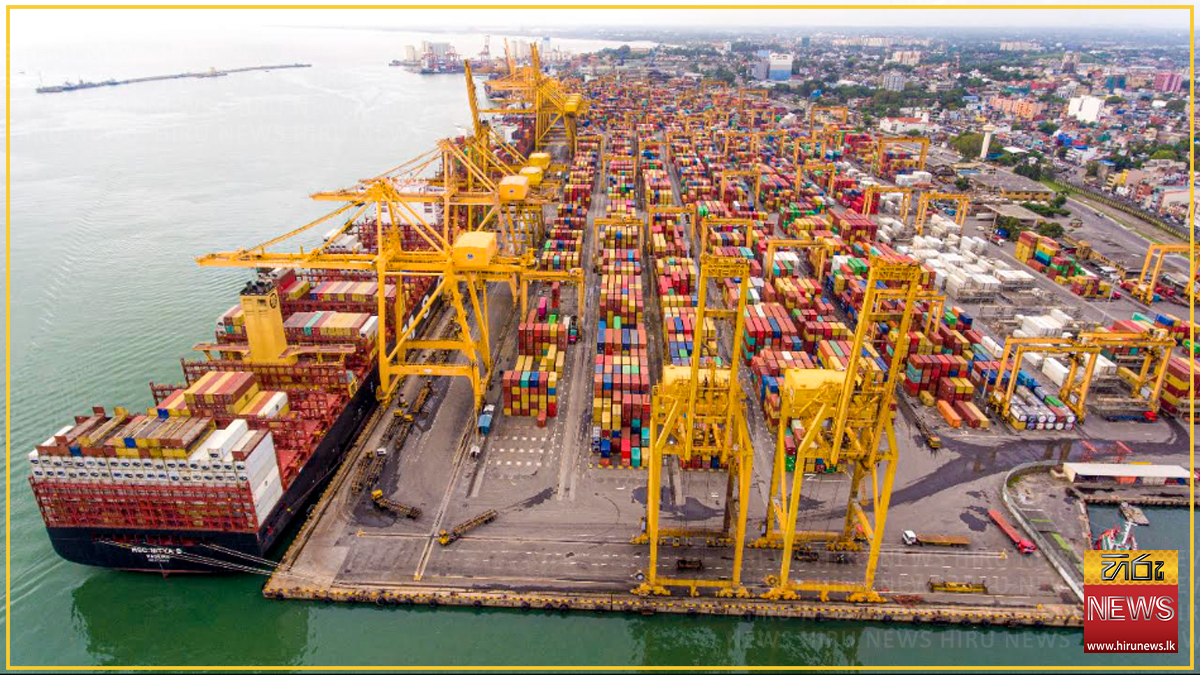
Colombo Port Ranks 17th Among World's Leading Container Ports
The Colombo Port has secured the 17th position globally in the latest UNCTAD Liner Shipping Connectivity Index, placing it among the top twenty container ports.
New insurance scheme launched for passion fruit cultivation in Sri Lanka
The Agricultural and Agrarian Insurance Board has introduced a new insurance scheme for passion fruit growers, offering coverage of around Rs. 387,000 per acre.

IRD warns of heavy fines up to 400000 rupees for delayed tax returns
Taxpayers who fail to submit their income tax returns before November 30 face fines ranging from 50000 to 400000 rupees, according to the Inland Revenue Department.
Sri Lanka and Brazil Sign Agreement to Boost Domestic Sugar Production
Sri Lanka has partnered with Brazil under a US$ 536,046 technical cooperation agreement to enhance local sugarcane cultivation and reduce heavy reliance on imported sugar.
Sri Lanka Trade Deficit Widens to USD 7.9 Billion Amid Higher Imports
Sri Lanka's trade deficit expanded to USD 7.91 billion during the first nine months of the year, driven by a significant surge in import expenditures.