Minister says Kavantissa elephant died from diarrhoea, not gunshots
Environment Minister Dr. Dhammika Patabendi stated that post-mortem reports confirm the tusker Kavantissa died from acute diarrhoea complications rather than gunshot injuries.
In 60 seconds
- Post-mortem reports confirm Kavantissa died from diarrhoea complications.
- Gunshot marks on the body were not the direct cause of death.
- Other injuries on the animal are suspected to be from elephant fights.
- Sri Lanka has around 300 tuskers left in the wild.
Environment Minister Dr. Dhammika Patabendi has revealed details regarding the recent death of the well-known tusker Kavantissa, stating that post-mortem examinations point to a severe bout of diarrhoea as the primary cause of death. Although several gunshot marks were observed on the animal's body, medical findings do not confirm that these injuries directly caused its demise.
The minister further noted that other wounds found on the carcass are suspected to have been inflicted during clashes with other wild elephants. Authorities have been monitoring the situation closely following public concern over the welfare of wild tuskers across the country.
According to official wildlife records, there are approximately 300 tuskers remaining across Sri Lanka. Of this total, only 17 are officially recognized as facing severe life risks, though environmental organizations argue that the actual number of threatened tuskers could be around 30.
Wildlife conservation groups continue to advocate for enhanced protection measures for these rare animals. The ministry maintains that steps are being reviewed to safeguard the remaining tusker population from emerging threats in their natural habitats.
Sources
Rewritten by the NewsLanka desk from reports by the outlets below.
- Lanka C News
Related stories
GMOA Decides to Support November 30 Trade Union Action
The Government Medical Officers Association has decided to back the islandwide trade union action scheduled for November 30.
Wild elephants break into Anuradhapura bakery to feast on buns
A bakery owner in Shravasthipura, Anuradhapura, reports that wild elephants broke down his walls and ate bread and sweet buns.
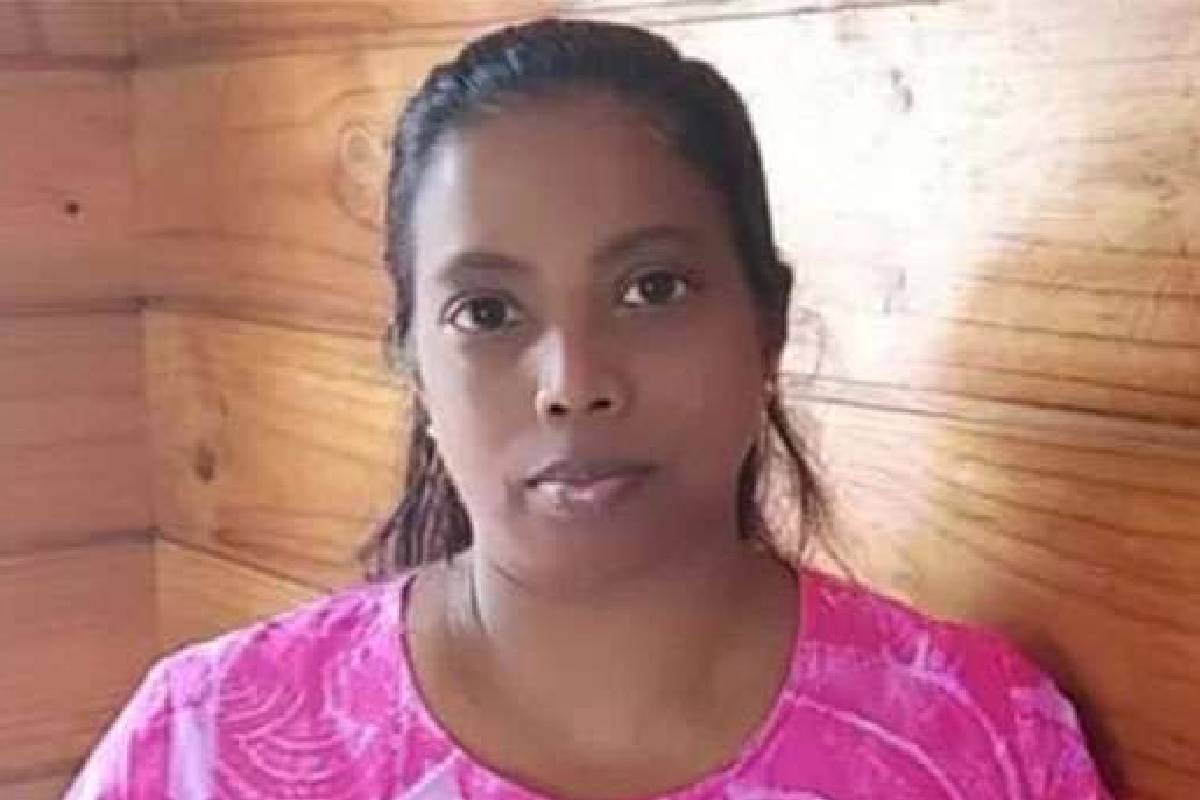
Sri Lanka seeks New Zealand's help to repatriate stranded woman
The Sri Lankan government has formally requested New Zealand's assistance to safely bring back a Sri Lankan woman stranded in the Cook Islands.
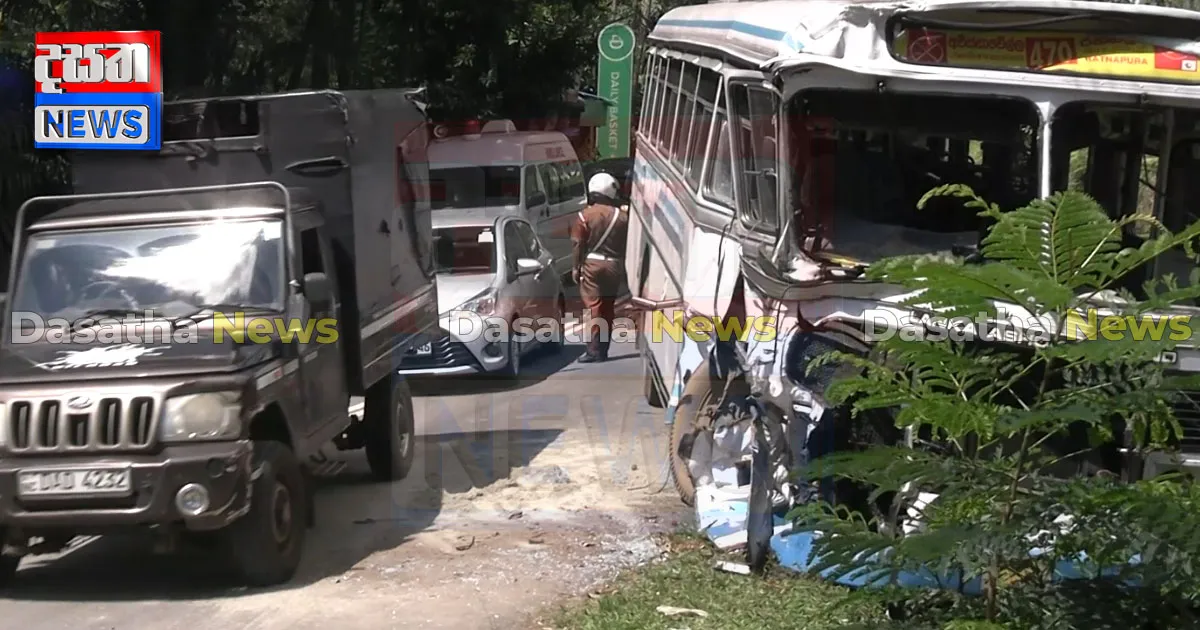
Sixteen injured as bus and tipper truck collide in Ratnapura
At least sixteen people sustained injuries after a private bus and a tipper truck collided in the Hidalana area in Ratnapura.
Free Metro Bus travel for persons with disabilities on December 3
Persons with disabilities can travel free on Metro Buses on December 3 to mark International Day of Persons with Disabilities, Transport Minister Bimal Rathnayake announced.
Woman killed as bus and motorcycle collide in Ruwanwella
A 47-year-old female motorcyclist lost her life following a collision between a bus and her motorcycle along the Avissawella-Kegalle road in Mattamagoda.