New Crop Insurance Scheme Launched to Protect Farmers from Weather Extremes
The Agricultural and Agrarian Insurance Board has introduced an enhanced crop insurance scheme to compensate farmers for losses caused by natural disasters and wild animal attacks.

In 60 seconds
- Paddy and major crop farmers pay a 6,400 rupee premium per acre for 100,000 rupee coverage.
- Subsidiary food crops require a lower annual premium of 4,200 rupees per acre.
- Covered risks include drought, floods, wild elephant damage, and plant diseases.
- Farmers can dial the short code 1918 for more information.
Sri Lankan farmers facing severe income losses due to unpredictable weather patterns and climate shifts will now have access to an expanded insurance safety net. Initiated by the Agricultural and Agrarian Insurance Board, the scheme is designed to help cultivators prepare for upcoming climate challenges such as potential El Nino conditions, ensuring that national food production remains secure.
Under this new arrangement, farmers cultivating paddy, maize, chillies, potatoes, big onions, and soya can obtain coverage by paying an annual premium of 6,400 rupees per acre. According to Board Chairman Pemasiri Jasinghearachchi, this package provides a compensation of 100,000 rupees per acre in the event of total or partial crop destruction due to floods, droughts, wild elephant intrusions, insect infestations, and crop diseases.
Additionally, growers of subsidiary field crops such as cowpea, green gram, black gram, kurakkan, peanuts, sesame, and horse gram can secure their harvests with a lower premium of 4,200 rupees per acre. These policies cover similar risks including drought, floods, wildlife damage, fire, and plant diseases. Agricultural insurance is a critical pillar for rural livelihoods in Sri Lanka, where erratic monsoons frequently threaten harvests.
Farmers seeking further clarification or registration details regarding these policies can contact the dedicated hotline 1918. The board encourages all eligible cultivators to utilize this scheme to safeguard their agricultural investments against unforeseen environmental hazards.
Sources
Rewritten by the NewsLanka desk from reports by the outlets below.
- ITN News
Related stories
GMOA Decides to Support November 30 Trade Union Action
The Government Medical Officers Association has decided to back the islandwide trade union action scheduled for November 30.
Wild elephants break into Anuradhapura bakery to feast on buns
A bakery owner in Shravasthipura, Anuradhapura, reports that wild elephants broke down his walls and ate bread and sweet buns.

Sri Lanka seeks New Zealand's help to repatriate stranded woman
The Sri Lankan government has formally requested New Zealand's assistance to safely bring back a Sri Lankan woman stranded in the Cook Islands.
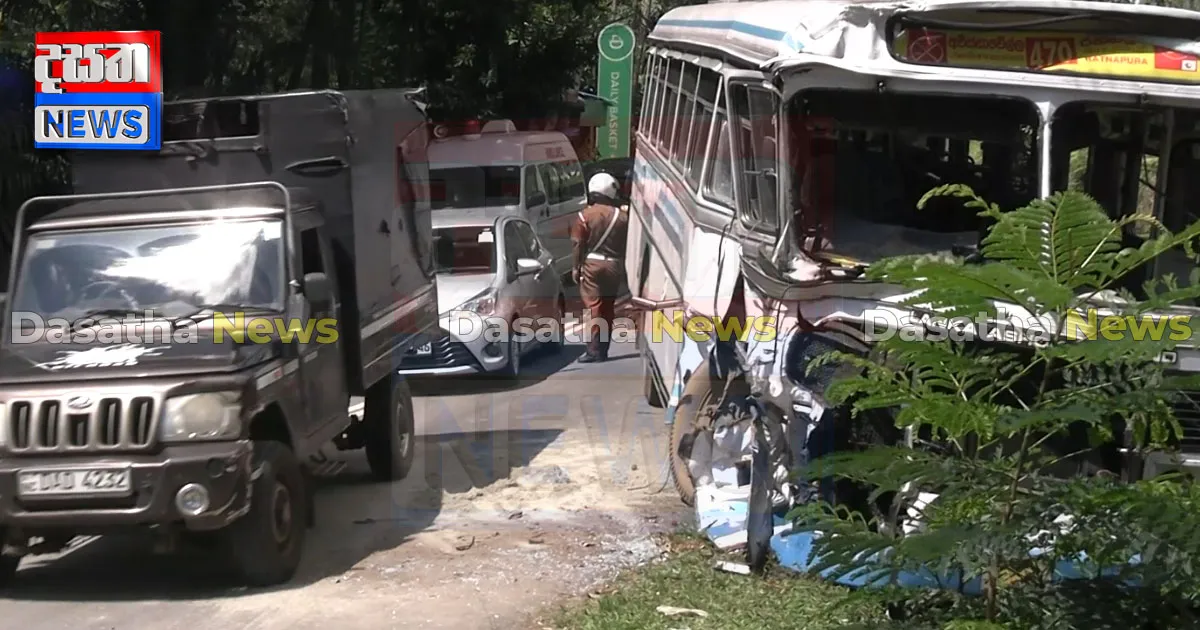
Sixteen injured as bus and tipper truck collide in Ratnapura
At least sixteen people sustained injuries after a private bus and a tipper truck collided in the Hidalana area in Ratnapura.
Free Metro Bus travel for persons with disabilities on December 3
Persons with disabilities can travel free on Metro Buses on December 3 to mark International Day of Persons with Disabilities, Transport Minister Bimal Rathnayake announced.
Woman killed as bus and motorcycle collide in Ruwanwella
A 47-year-old female motorcyclist lost her life following a collision between a bus and her motorcycle along the Avissawella-Kegalle road in Mattamagoda.