Opposition Leader Calls For Proactive Disaster Management System In Parliament
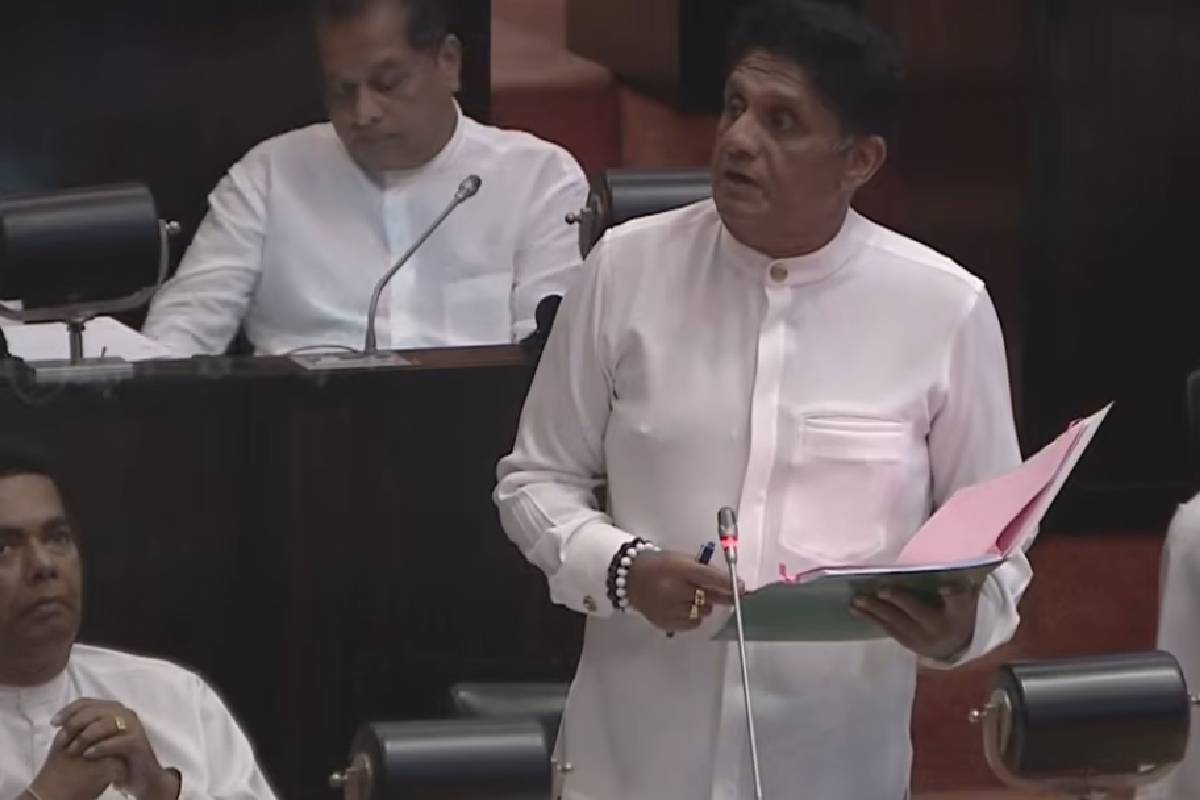
Stressing lessons learned from the Ditwah cyclone, Opposition Leader Sajith Premadasa urged the establishment of a modern, preparedness-focused disaster management framework.
In 60 seconds
- Opposition Leader Sajith Premadasa urged the creation of a modern, preparedness-driven disaster management system.
- He noted that current approaches are too heavily focused on post-disaster response rather than risk reduction.
- Premadasa questioned whether promised relief has adequately reached affected farmers, fishers, and small business owners.
How this story developed
You are reading Opposition Leader Calls For Proactive Disaster Management System In Parliament
FAO and Australia Launch Project to Restore Hill Country Vegetable Farming
Parliament Observes Silence as Sri Lanka Marks One Year Since Ditwah Cyclone
Sri Lanka must move beyond reactive disaster response and establish a modern, efficient management mechanism by learning from the devastation caused by the Ditwah cyclone a year ago, Opposition Leader Sajith Premadasa told Parliament today. He pointed out that the current disaster management apparatus is inadequate to face mounting climate and weather challenges, as it primarily focuses on post-disaster relief rather than risk reduction and preparedness.
Marking the first anniversary of the cyclone, Premadasa expressed condolences to all those who lost loved ones, homes, and livelihoods in the disaster. He also commended the tireless efforts of nearly 1.5 million public servants, including tri-forces personnel, police, and disaster management officials, who stepped up during the crisis. He recalled that Parliament unanimously approved a supplementary estimate of 500 billion rupees presented by the government to cover the damages.
However, the Opposition Leader raised questions over whether farmers, fishermen, small and medium entrepreneurs, and self-employed individuals have genuinely received the swift relief promised to rebuild their livelihoods. He noted that he has already put forward proposals to the President emphasizing the need for a mechanism centered on early preparedness and risk mitigation.
Developing robust institutional frameworks for climate resilience remains a critical priority for Sri Lanka as extreme weather events become more frequent across the island nation.
Sources
Rewritten by the NewsLanka desk from reports by the outlets below.
- Gagana
- Newswire
Related stories
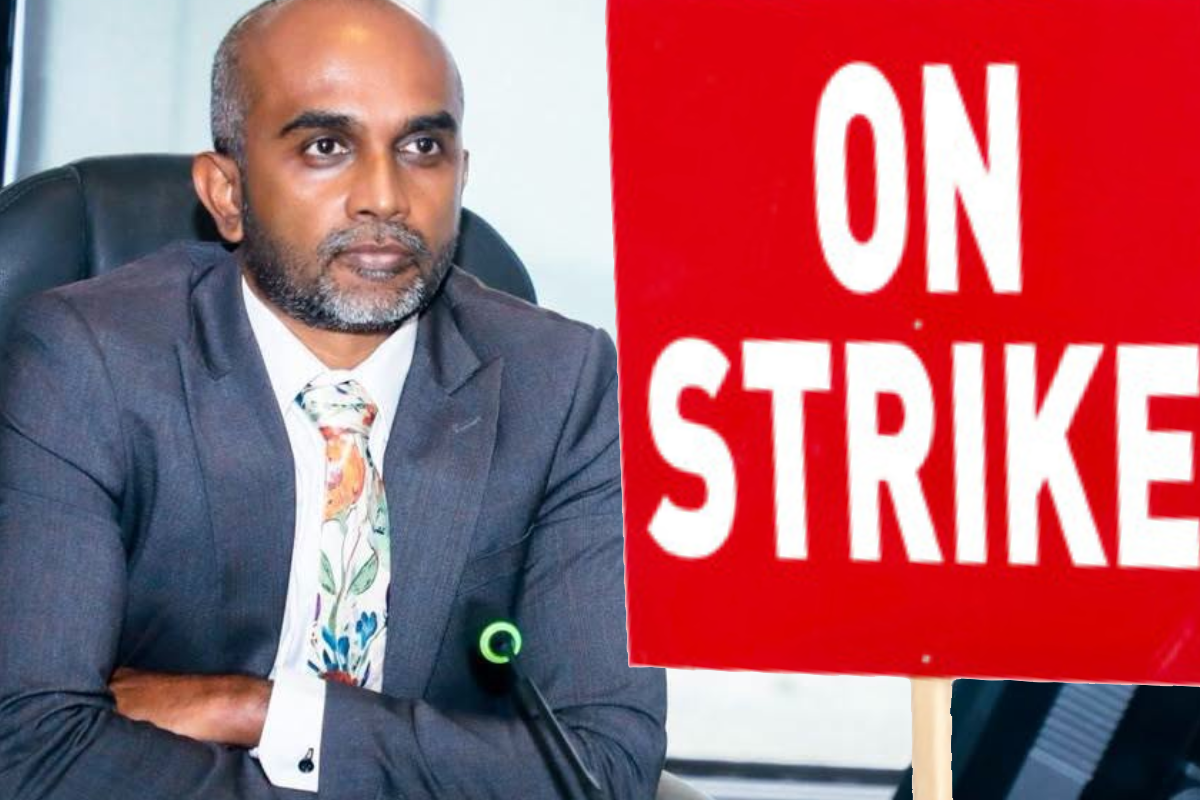
No further salary hikes possible right now, says Deputy Minister Prasanna Gunasena
Deputy Minister of Transport and Highways Prasanna Gunasena stated that the government cannot grant further salary increases to public servants given the current economic climate.
President announces PAYE tax relief with higher threshold in 2028 budget
President Anura Kumara Dissanayake told Parliament that the monthly income threshold for the maximum 36 percent personal income tax rate will be raised to Rs. 500,000 under the 2028 Budget.
Management Services Officers to report sick leave on 30th over allowance
The Sri Lanka Management Services Association has announced a sick leave strike on the 30th after authorities failed to address their demand for a 25,000 rupees interim allowance.
Defence Ministry issues amended gazette on terrorist-linked groups
The Ministry of Defence has issued a new extraordinary gazette amending the 2013 gazette concerning individuals linked to terrorist organisations.
Sri Lanka and Russia Sign MoU to Strengthen Bilateral Legal Cooperation
Sri Lanka and Russia have signed a Memorandum of Understanding in Colombo to boost bilateral legal cooperation and assist in tracking down fugitives.
Sri Lanka to Secure Rs 3,800 Billion Loan Next Year Amid Debt Obligations
President Anura Kumara Dissanayake announced that Sri Lanka aims to borrow Rs 3,800 billion next year while facing Rs 4,850 billion in debt and interest repayments.