The Silent Toll: Understanding the Dangers of Living with Diabetes in Sri Lanka
New health screening data highlights the hidden prevalence of diabetes across Sri Lanka, urging citizens to undergo regular testing before silent complications arise.
In 60 seconds
- Diabetes quietly damages vital organs long before noticeable symptoms develop.
- A large percentage of people with high blood sugar remain undiagnosed.
- South Asians can develop diabetes even with a normal body mass index.
- Regular screenings and lifestyle changes can prevent severe complications.
Diabetes rarely presents an immediate and dramatic threat, choosing instead to quietly damage the heart, kidneys, eyes, and nerves over many years. By the time visible symptoms appear, irreversible harm may already be done. Non-communicable diseases now account for nearly 83 percent of all deaths in Sri Lanka, placing the nation among the most affected in the region.
Recent community health initiatives, including islandwide free screening programmes conducted by Union Assurance Suwamaga alongside health authorities, have brought alarming ground realities to light. Thousands of participants across all 25 districts were tested, revealing that a vast majority of those found with high blood sugar were previously unaware of their condition. Many who already knew they had diabetes still struggled to keep their blood sugar within safe daily ranges.
Elevated glucose levels damage small and large blood vessels alike, increasing the risk of heart attacks, strokes, kidney failure, and diabetic retinopathy, which remains a leading cause of preventable blindness among working-age adults. In Sri Lanka, even individuals maintaining a normal body mass index are not immune, as South Asians frequently develop the metabolic condition at lower weight thresholds compared to Western populations.
Managing and preventing these severe complications requires consistent lifestyle adjustments, including balanced nutrition, regular physical activity, and routine medical check-ups. Health experts advise anyone over the age of thirty, or those with a family history of the condition, to prioritize screening, noting that early detection is the most effective defense.
Sources
Rewritten by the NewsLanka desk from reports by the outlets below.
- Newswire
Related stories
New Emergency Treatment Unit Opened at Angoda Mental Health Institute
A newly established emergency treatment unit at the National Institute of Mental Health in Angoda was declared open by Health and Mass Media Minister Dr. Nalinda Jayatissa.
Why drinking tea after meals affects iron absorption and how to fix it
Health experts explain how consuming tea right after meals can hinder iron absorption, leading to fatigue and weakness, and share simple ways to boost your iron levels.
Foundation stone laid for EASCCA Academy under Batticaloa medical village project
The foundation stone for the new EASCCA Academy building was laid in Batticaloa as part of the Eastern Cancer Care Hospice medical village initiative.
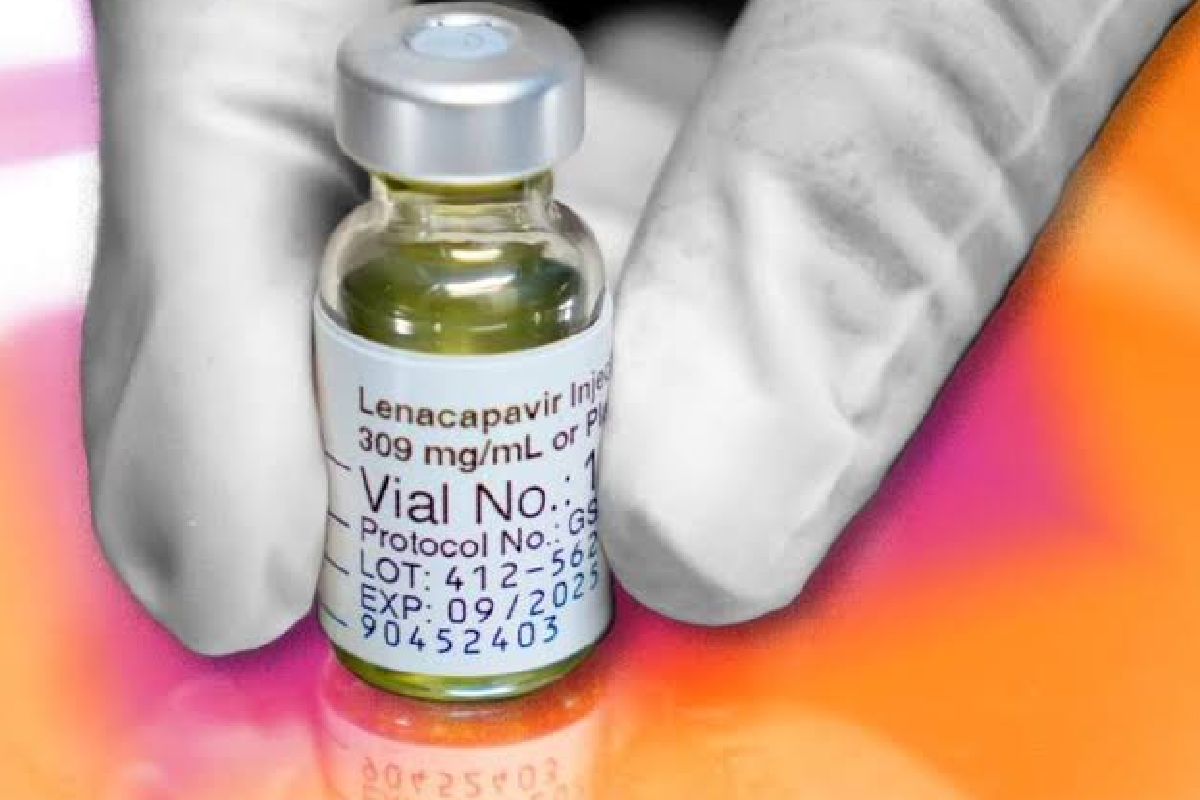
First affordable HIV prevention injections arrive in Africa
The first affordable shipments of the revolutionary HIV prevention injection Lenacapavir have arrived in Zambia, with Uganda and Zimbabwe to follow.
Nearly ten percent of Sri Lanka population affected by chronic kidney disease
About ten percent of Sri Lanka's population may be suffering from chronic kidney disease, according to Health Minister Dr. Nalinda Jayatissa. The government is expanding early screening programmes to address the crisis.
Northern Province health sector faces critical funding shortage in budget
Budgetary allocations for the Northern Province health sector under Budget 2027 remain low and may fail to address pressing healthcare needs, health officials warn.