Seven Decades of Budgets: Can Sri Lanka Finally Escape Its Economic Past?
As Sri Lanka evaluates its 2027 Budget, analysts question whether achieving fiscal stability will finally translate into lasting structural economic transformation after decades of recurring crises.
In 60 seconds
- The 2027 Budget projects Rs 6.15 trillion in revenue against Rs 7.673 trillion in expenditure.
- Debt interest payments of Rs 2.643 trillion exceed the Rs 1.75 trillion public investment allocation.
- Allocations include funds for suburban railway electrification and regional expressway projects.
- Historical institutional weaknesses and under-execution of capital expenditure remain key economic risks.
How this story developed
State Sector Basic Salaries Receive Significant Boost in 2027 Budget
Exercise book prices to drop 18 percent next month following Budget VAT relief
New Health Ministry Appointees to Receive Government Salary Revisions
Harsha questions Budget measures on protein affordability and taxes
Parliament continues debate on 2027 budget ahead of key vote
Najeeth Indika Defends Government's Olympic Reward Policy Against Opposition Criticism
We are aware there are no Olympics in 2027, says MP Najith Indika
Strong foundation laid to rebuild a collapsing economy, says MP
Gammanpila warns budget proposals could push Sri Lanka back to bankruptcy
Sri Lanka makes notable progress in global indices, says Minister Samantha Vidyaratne
Treasury Outlines Digital Reforms to Drive Public Sector Efficiency
Harsha de Silva explains why Sajith Premadasa opened the budget debate
Fourth day of 2027 budget second reading debate takes place today
You are reading Seven Decades of Budgets: Can Sri Lanka Finally Escape Its Economic Past?
JAAF welcomes Budget 2027 export thrust and calls for swift action
New Budget Lays Foundation for Economic Transformation, Says Deputy Minister
Child of Visually Impaired Parents Writes to President After Losing Aswesuma
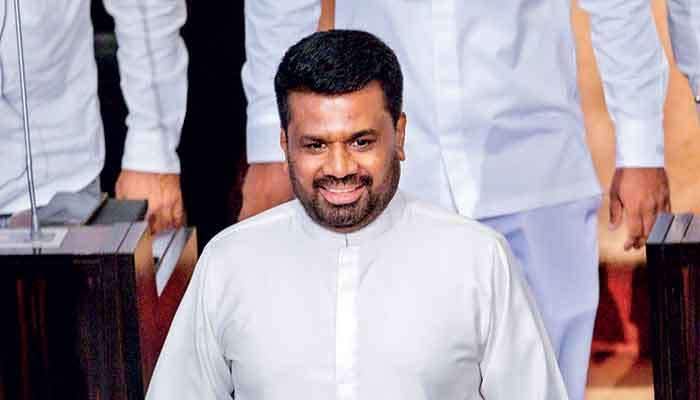
Sri Lanka’s 2027 Budget arrives at a critical juncture in the nation’s economic history. Four years following the sovereign default, foreign reserves have recovered, state revenue has strengthened, and economic growth has returned. President Anura Kumara Dissanayake can point to an economy far more stable than the one that collapsed in 2022. Yet analysts emphasize that financial stability, while necessary, does not automatically equal structural transformation.
For nearly seven decades, successive administrations have experimented with competing economic philosophies. From the state-led models of the Bandaranaike era to J.R. Jayewardene’s 1977 liberalisation, and from Rajapaksa-era infrastructure pushes to the current administration’s focus on fiscal discipline, governments have repeatedly altered the relationship between the state and the market. However, underlying institutional weaknesses—such as struggles in enforcing accountability, directing investment, and executing planned projects—have consistently hindered sustainable productive capacity.
The 2027 Budget projects revenue at Rs 6.15 trillion against expenditures of Rs 7.673 trillion. Interest payments alone account for Rs 2.643 trillion, easily surpassing the underlying public investment allocation of Rs 1.75 trillion and highlighting the tight fiscal space available for development after servicing existing obligations. While the government targets a primary surplus of Rs 1.15 trillion, demonstrating fiscal restraint, the key test remains effective implementation.
Infrastructure proposals in the budget include Rs 80 billion for the first phase of suburban railway electrification across the Kelani Valley, Main, and Coastal lines, alongside funds for expressway expansions. While these projects aim to improve commuting and regional connectivity, past trends show that capital expenditure has often faced under-execution. Independent feasibility studies, transparent procurement, and measurable economic returns will be vital to ensure public funds generate genuine value rather than just political announcements.
On the social front, the budget adjusts personal income tax thresholds and increases monthly allowances for vulnerable groups, including people with disabilities and kidney disease, alongside allocations for Aswesuma. However, heavy reliance on consumption taxes like VAT compared to income taxes continues to raise distributional concerns for lower-income households. Ultimately, the true success of the 2027 Budget will be measured by whether it builds a fundamentally stronger economy capable of avoiding past failures.
Sources
Rewritten by the NewsLanka desk from reports by the outlets below.
- Daily FT
Related stories
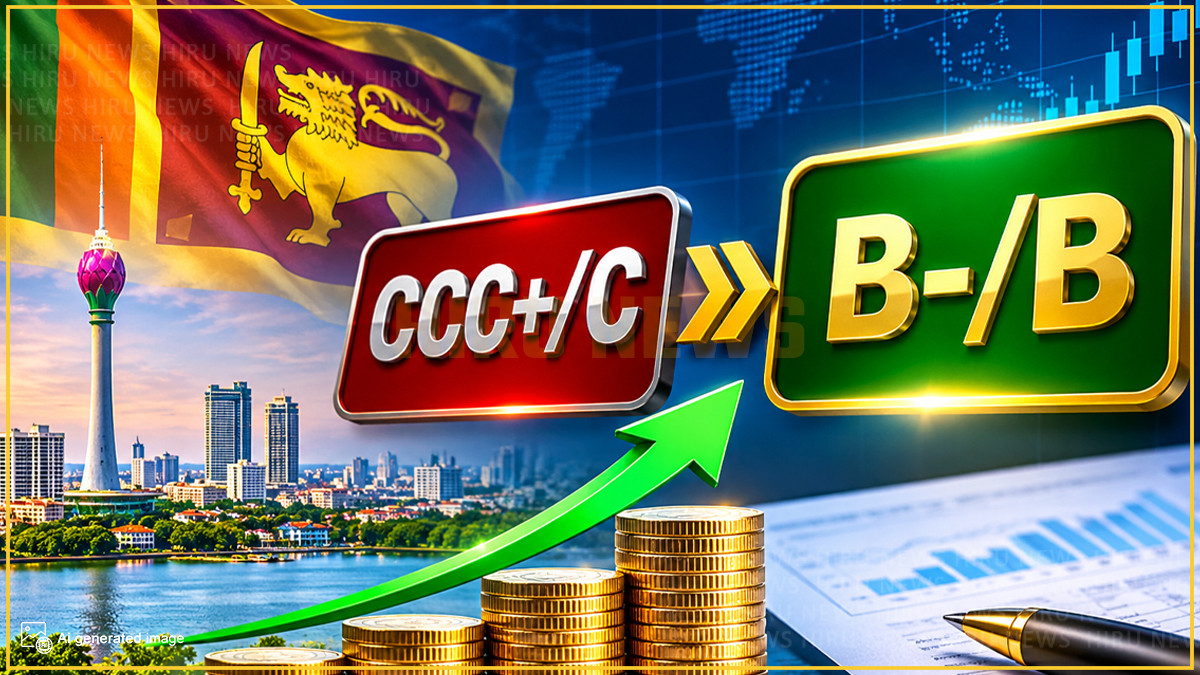
Sri Lanka credit rating upgraded to B-/B by SP Global Ratings
SP Global Ratings has upgraded Sri Lanka's credit rating to B-/B, citing improving government revenue and rising foreign reserves.
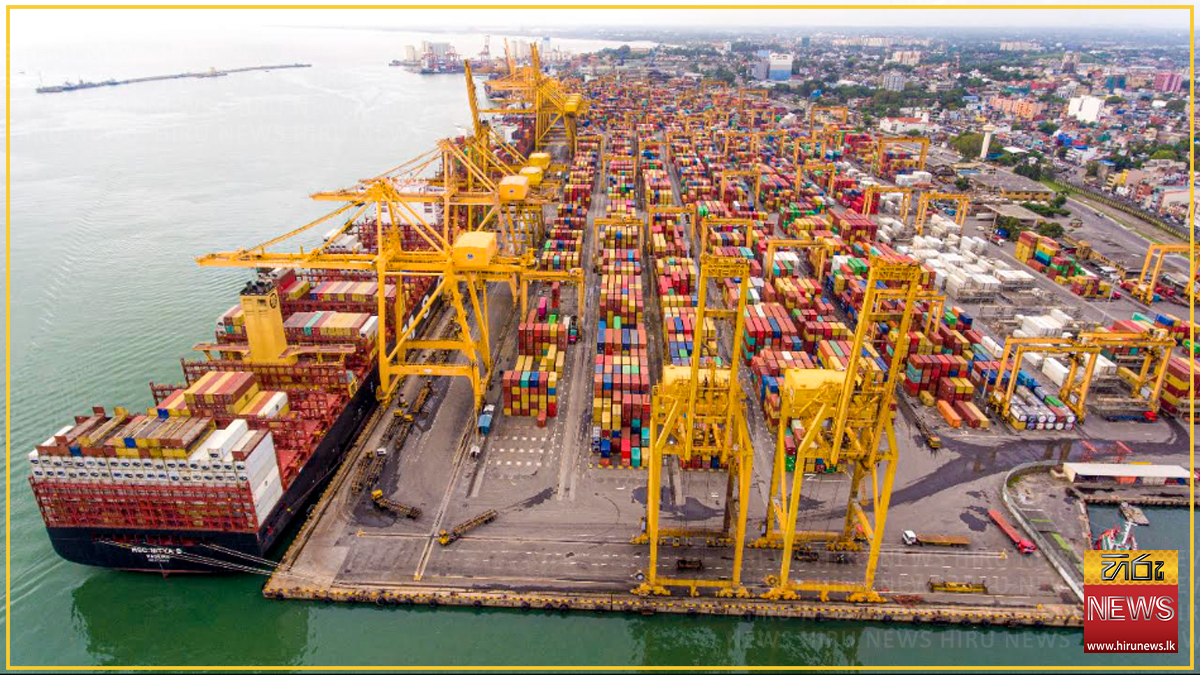
Colombo Port Ranks 17th Among World's Leading Container Ports
The Colombo Port has secured the 17th position globally in the latest UNCTAD Liner Shipping Connectivity Index, placing it among the top twenty container ports.
New insurance scheme launched for passion fruit cultivation in Sri Lanka
The Agricultural and Agrarian Insurance Board has introduced a new insurance scheme for passion fruit growers, offering coverage of around Rs. 387,000 per acre.

IRD warns of heavy fines up to 400000 rupees for delayed tax returns
Taxpayers who fail to submit their income tax returns before November 30 face fines ranging from 50000 to 400000 rupees, according to the Inland Revenue Department.
Sri Lanka and Brazil Sign Agreement to Boost Domestic Sugar Production
Sri Lanka has partnered with Brazil under a US$ 536,046 technical cooperation agreement to enhance local sugarcane cultivation and reduce heavy reliance on imported sugar.
Sri Lanka Trade Deficit Widens to USD 7.9 Billion Amid Higher Imports
Sri Lanka's trade deficit expanded to USD 7.91 billion during the first nine months of the year, driven by a significant surge in import expenditures.