Sri Lanka Faces Growing E-Waste Crisis Amid Recycling Shortfalls
Rising electronic waste generation and a lack of comprehensive recycling systems pose serious environmental and health risks across Sri Lanka.
In 60 seconds
- Sri Lanka generates about 175,000 metric tonnes of e-waste each year.
- Informal recycling practices like burning cables release hazardous toxins.
- Only 16 authorized e-waste collectors currently operate in the country.
- Experts call for stronger national policies and extended producer responsibility.
As the country embraces digital transformation, the growing influx of discarded mobile phones, computers, and household appliances has created a silent waste management challenge. According to United Nations data, Sri Lanka generates approximately 175,000 metric tonnes of electronic waste annually, highlighting the urgent need for structured collection and processing frameworks.
Central Environmental Authority Deputy Director General for Waste Management Shyamani Periyapperuma warned that improper disposal and unsafe recycling methods release hazardous substances into the environment, contaminating soil, water, and air. Practices such as open burning of cables to extract copper and using acids for metal recovery pose severe health risks to workers and nearby communities.
Dr Dilhara Sethunga from the University of Moratuwa points out that inadequate data, weak policy enforcement, unsafe informal recycling, and consumer behavior are core weaknesses in the current framework. With only 16 authorized e-waste collectors currently operating nationwide, existing infrastructure falls short of managing the vast volumes of discarded electronics.
While corporate efforts like Dialog Axiata's e-Kunu initiative provide localized avenues for safe disposal by partnering with authorities, experts emphasize that isolated programs cannot replace a national system. Although legislative foundations exist, finalizing comprehensive regulations remains vital to enforce extended producer responsibility and safeguard public health.
Sources
Rewritten by the NewsLanka desk from reports by the outlets below.
- Lanka News Web
Related stories
GMOA Decides to Support November 30 Trade Union Action
The Government Medical Officers Association has decided to back the islandwide trade union action scheduled for November 30.
Wild elephants break into Anuradhapura bakery to feast on buns
A bakery owner in Shravasthipura, Anuradhapura, reports that wild elephants broke down his walls and ate bread and sweet buns.
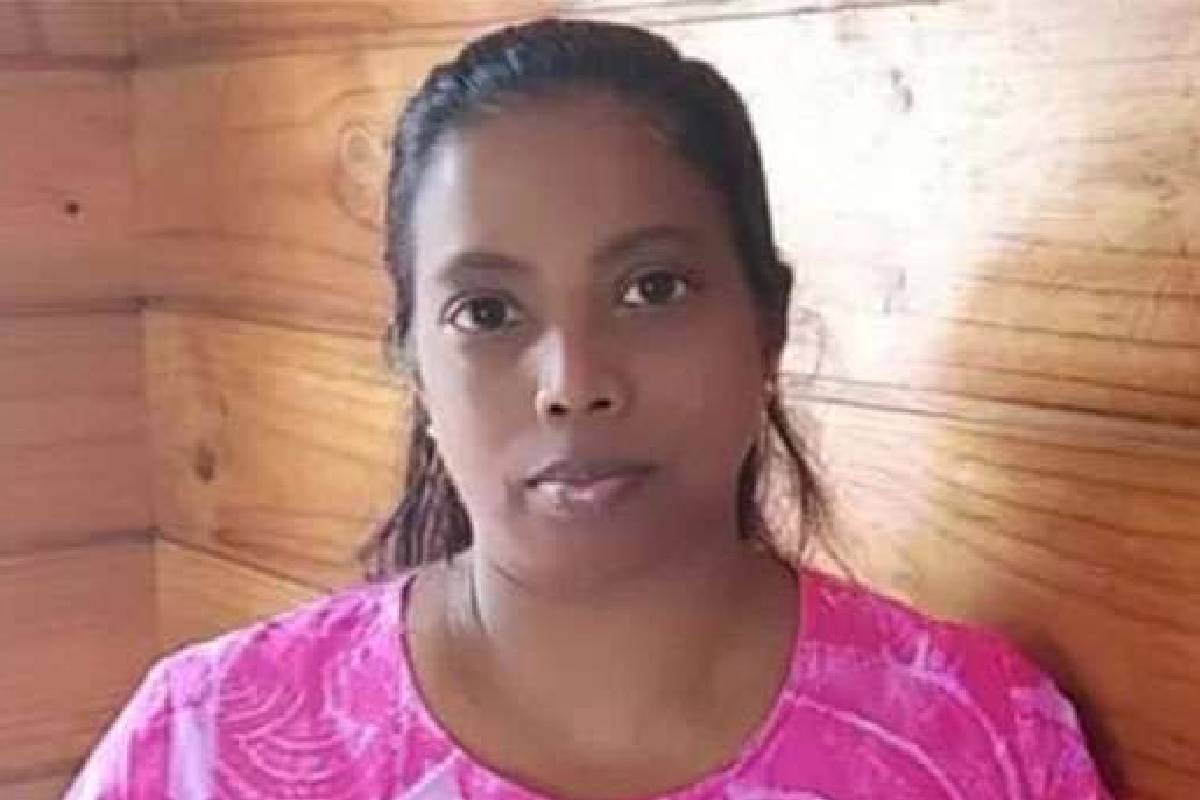
Sri Lanka seeks New Zealand's help to repatriate stranded woman
The Sri Lankan government has formally requested New Zealand's assistance to safely bring back a Sri Lankan woman stranded in the Cook Islands.
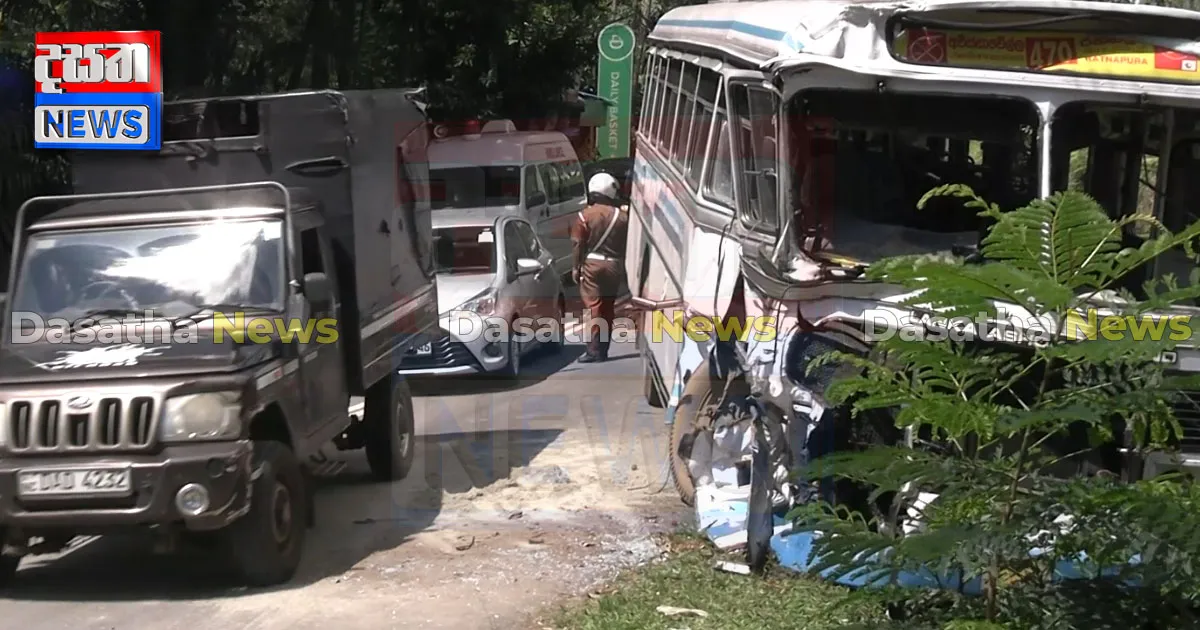
Sixteen injured as bus and tipper truck collide in Ratnapura
At least sixteen people sustained injuries after a private bus and a tipper truck collided in the Hidalana area in Ratnapura.
Free Metro Bus travel for persons with disabilities on December 3
Persons with disabilities can travel free on Metro Buses on December 3 to mark International Day of Persons with Disabilities, Transport Minister Bimal Rathnayake announced.
Woman killed as bus and motorcycle collide in Ruwanwella
A 47-year-old female motorcyclist lost her life following a collision between a bus and her motorcycle along the Avissawella-Kegalle road in Mattamagoda.