The Billion-Dollar Investment Gap Between Announcements And Reality
Sri Lanka faces a credibility challenge as figures show a wide gap between announced investment commitments and the actual capital entering the economy.
In 60 seconds
- The Board of Investment reported 1.057 billion US dollars in FDI for 2025.
- Methodological differences exist between BOI and Central Bank reporting frameworks.
- Intra-company borrowings formed a major share of the reported investment figures.
- Administrative delays and policy shifts hinder the actual execution of approved projects.
Sri Lanka's ongoing strategy to attract foreign direct investment encounters a fundamental challenge regarding the actual cash entering the economy compared to official approvals. While the Board of Investment reported 1.057 billion US dollars in foreign direct investment for 2025 alongside 1.906 billion dollars in approved projects, these figures do not automatically represent immediate, productive capital. Large infrastructure initiatives typically disburse funds incrementally over many years, and several memorandums of understanding often fail to reach financial closure. A further complication arises from differing reporting methodologies between the Board of Investment and the Central Bank of Sri Lanka. The investment agency includes gross inflows, local joint venture contributions, and foreign loans, whereas the Central Bank follows the International Monetary Fund's Balance of Payments manual to report net cross-border flows after accounting for debt repayments. For instance, out of the 1.057 billion dollars reported for 2025, about 567 million dollars consisted of intra-company borrowing, while fresh equity capital from greenfield projects stood at only 134 million dollars. Beyond data discrepancies, administrative hurdles and policy uncertainties continue to slow down project execution on the ground. Investors frequently encounter overlapping clearance procedures from multiple state institutions, while changes in government policies create hesitation. Economists note that the central challenge for the country is no longer merely securing investment promises, but establishing a transparent monitoring system to convert those commitments into measurable economic growth, exports, and employment.
Sources
Rewritten by the NewsLanka desk from reports by the outlets below.
- Lanka News Web
Related stories
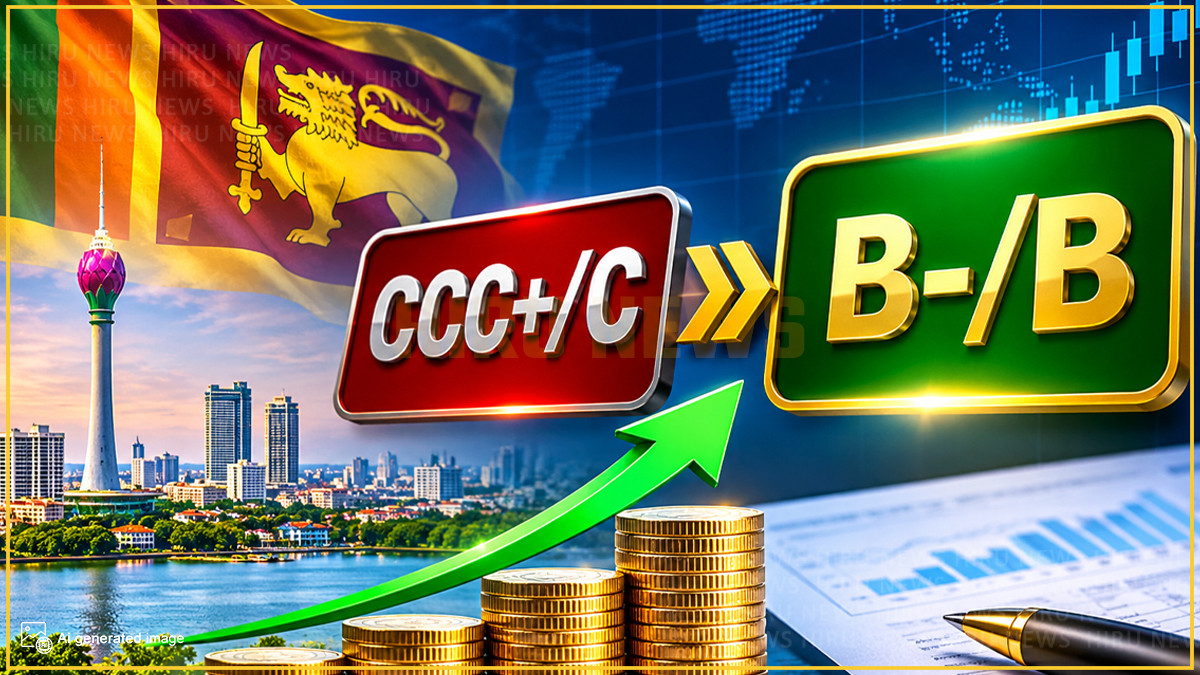
Sri Lanka credit rating upgraded to B-/B by SP Global Ratings
SP Global Ratings has upgraded Sri Lanka's credit rating to B-/B, citing improving government revenue and rising foreign reserves.
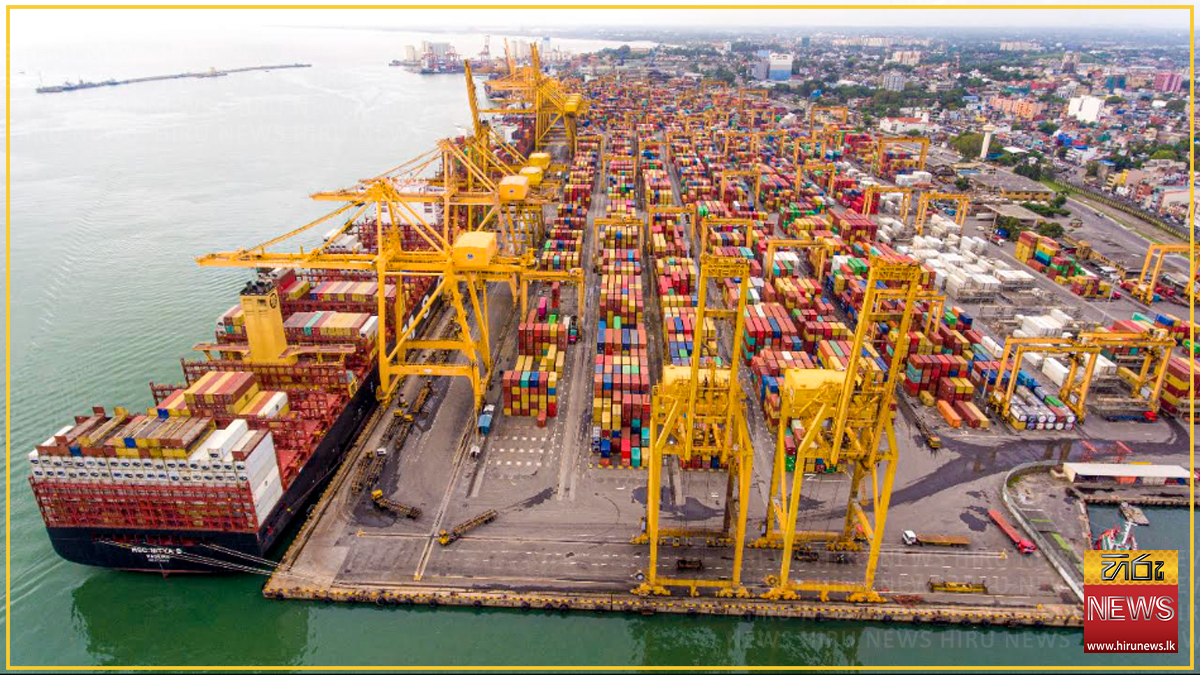
Colombo Port Ranks 17th Among World's Leading Container Ports
The Colombo Port has secured the 17th position globally in the latest UNCTAD Liner Shipping Connectivity Index, placing it among the top twenty container ports.
New insurance scheme launched for passion fruit cultivation in Sri Lanka
The Agricultural and Agrarian Insurance Board has introduced a new insurance scheme for passion fruit growers, offering coverage of around Rs. 387,000 per acre.

IRD warns of heavy fines up to 400000 rupees for delayed tax returns
Taxpayers who fail to submit their income tax returns before November 30 face fines ranging from 50000 to 400000 rupees, according to the Inland Revenue Department.
Sri Lanka and Brazil Sign Agreement to Boost Domestic Sugar Production
Sri Lanka has partnered with Brazil under a US$ 536,046 technical cooperation agreement to enhance local sugarcane cultivation and reduce heavy reliance on imported sugar.
Sri Lanka Trade Deficit Widens to USD 7.9 Billion Amid Higher Imports
Sri Lanka's trade deficit expanded to USD 7.91 billion during the first nine months of the year, driven by a significant surge in import expenditures.