Will Budget 2027 Transform Sri Lanka Into a Global Tea Hub?
As export volumes face pressure, stakeholders debate whether Sri Lanka should stick to traditional Pure Ceylon Tea or evolve into a regional tea trading and processing hub.

In 60 seconds
- Sri Lanka's tea export volumes declined by 4 percent during the first nine months of the year.
- Traditional destination markets like Iraq and Libya saw sharp reductions in imports from Sri Lanka.
- Proposals for a regulated Tea Hub involve importing, blending, and re-exporting teas alongside local production.
- Advocates stress the need for a dual-brand system to protect Pure Ceylon Tea while expanding commercial value.
How this story developed
SriLankan Airlines incurred Rs 528 billion loss after Emirates deal ended
President Dissanayake Reveals 528 Billion Rupee Loss for SriLankan Airlines in Budget Speech
Budget speech begins with ambitious targets to reduce state debt
President announces work is underway on new National Statistics Act
Cabinet Approves Budget Proposals Ahead of Parliamentary Presentation
Rs. 25,000 Subsidy Per kWh Proposed for Household Solar Battery Storage
President Anura Kumara Dissanayake arrives in Parliament to present Budget 2027
Cabinet Clears 2027 Budget as President Prepares Parliamentary Address
Sri Lanka plans 45-day fuel reserves, major pipeline upgrades and smart meter rollout
2027 Budget Aims at Transforming Sri Lanka Beyond Recovery, Says Deputy Minister
Over Rs. 117 Billion Allocated for Expressway Projects in 2027 Budget
Budget 2027 proposes raising monthly PAYE tax-free threshold to Rs. 162,500
Prime Minister Harini Questions Why MP Harsha Skipped Budget Debate Opening
Government Proposes CESS Tax Reductions on Hundreds of Imported Goods from April
Special Commodity Levy slashed on sprats, Maldive fish and chillies
Students over 18 to receive Rs. 10,000 for Colombo Stock Market investments
Seafood Exporters Welcome Budget 2027, Targeting USD 680M by 2030
Wimal Weerawansa Criticizes Government Budget as Unrealistic and Deceptive
Budget 2027 Proposes EV Incentives and Transport Allowances Without Import Tax Relief
No vehicle import concessions announced in 2027 Budget, says VIASL
Minister Prasanna criticises opposition leader Sajith over budget debate
2027 Budget Revenue Ambitions Leave Ordinary Households Carrying Burden
Measuring the true impact of national budgets on ordinary lives
You are reading Will Budget 2027 Transform Sri Lanka Into a Global Tea Hub?
Exercise Book Prices to Drop by 18 Percent from December First
Budget signals economic transformation, but timely implementation is crucial says Ceylon Chamber
Current budget is nothing but a collection of empty promises: Sajith
As the country prepares for the National Budget on 12 November, Sri Lanka's historic tea sector stands at a critical crossroads. While Ceylon Tea remains a fiercely guarded global brand, changing international market dynamics and declining export volumes have forced policymakers to rethink how the nation generates wealth from its most famous agricultural export. During the first nine months of the year, tea export volumes dropped by four percent, highlighting structural shifts that require more than routine policy support.
Traditional major buyers such as Iraq and Libya have drastically reduced their imports of Sri Lankan tea, while shifting trade routes and rising competition have exposed the risks of relying too heavily on a limited number of destinations. Although export earnings in local currency showed a minor uptick, this was largely driven by currency depreciation rather than increased physical export performance. Industry experts point out that the greatest profits in the global beverage business are captured downstream through advanced blending, branding, packaging, logistics, and retail distribution rather than merely producing the raw leaf.
To address these vulnerabilities, analysts have outlined three potential strategic paths for the industry. While defending the traditional Pure Ceylon Tea model and seeking better trade access remain vital, a bolder third option has sparked intense debate: establishing a Sri Lanka Tea Hub. Under this framework, the country could permit the controlled import of foreign origins into a regulated Free Trade Zone to be blended, processed, and re-exported alongside local produce, turning Colombo into a regional trading capital.
Critics have raised legitimate concerns over protecting the prestigious Lion Logo and preserving the integrity of authentic Ceylon Tea. Proponents, however, argue that a dual-brand architecture can successfully safeguard national heritage while unlocking a secondary growth engine. With targets to reach a five billion dollar tea sector by 2035 and generate tens of thousands of jobs, Budget 2027 is widely viewed as a crucial opportunity to implement structural reforms for long-term competitiveness.
Sources
Rewritten by the NewsLanka desk from reports by the outlets below.
- Daily FT
Related stories
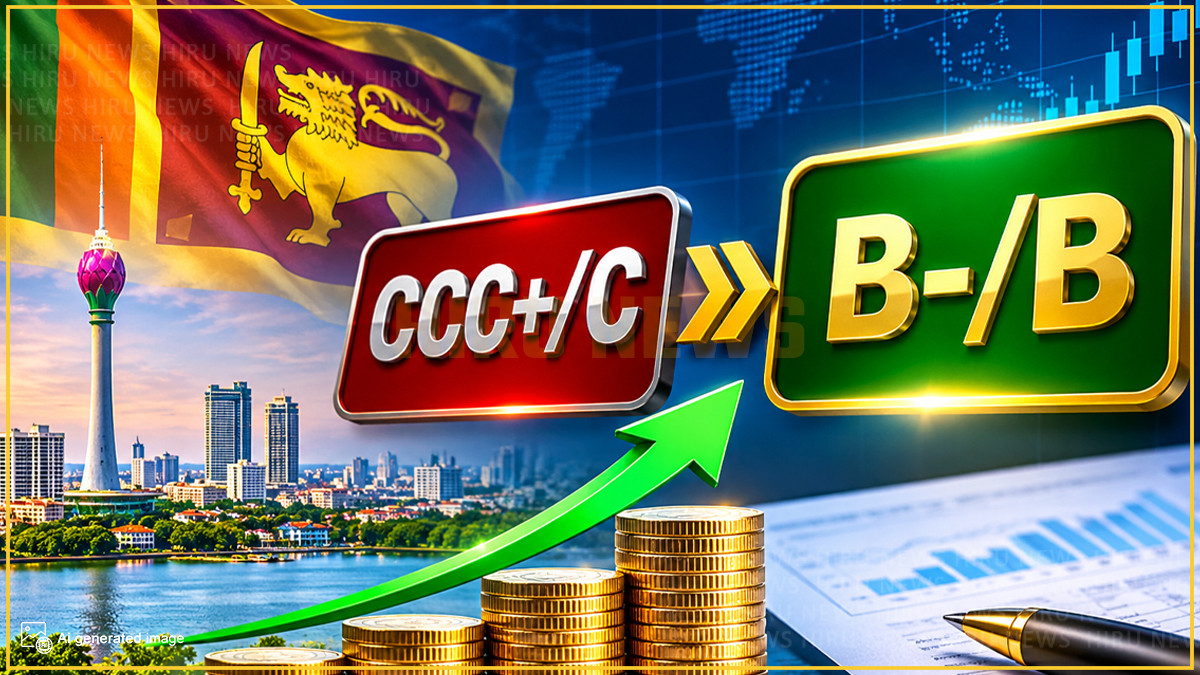
Sri Lanka credit rating upgraded to B-/B by SP Global Ratings
SP Global Ratings has upgraded Sri Lanka's credit rating to B-/B, citing improving government revenue and rising foreign reserves.
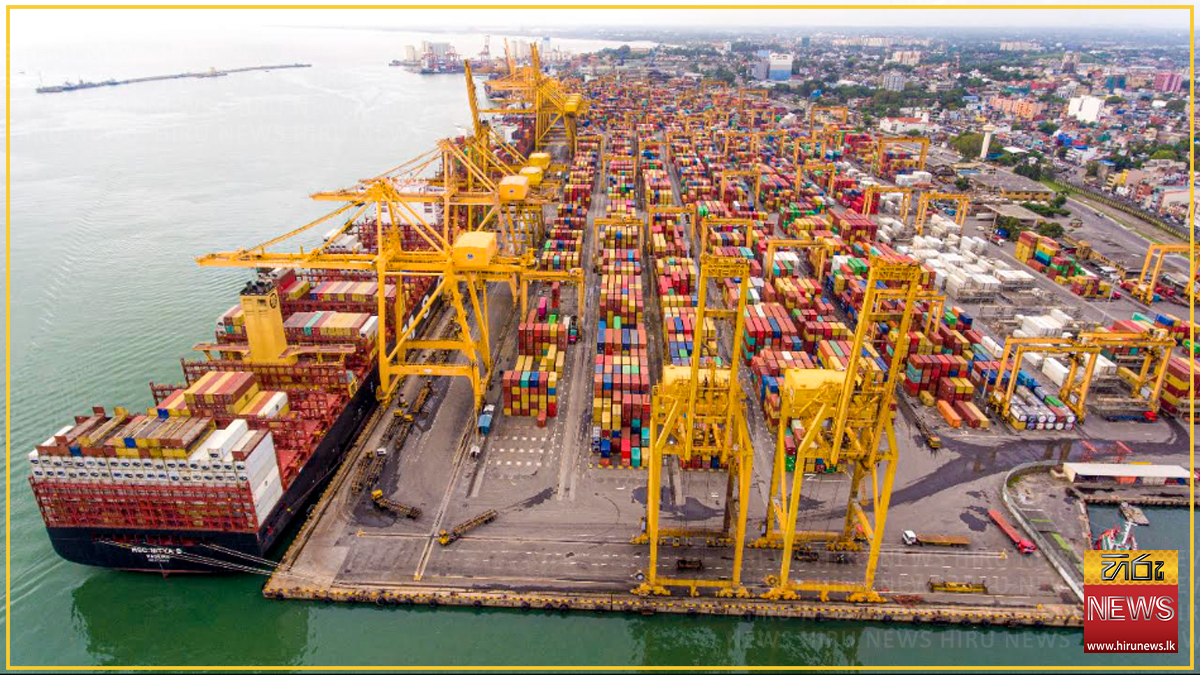
Colombo Port Ranks 17th Among World's Leading Container Ports
The Colombo Port has secured the 17th position globally in the latest UNCTAD Liner Shipping Connectivity Index, placing it among the top twenty container ports.
New insurance scheme launched for passion fruit cultivation in Sri Lanka
The Agricultural and Agrarian Insurance Board has introduced a new insurance scheme for passion fruit growers, offering coverage of around Rs. 387,000 per acre.

IRD warns of heavy fines up to 400000 rupees for delayed tax returns
Taxpayers who fail to submit their income tax returns before November 30 face fines ranging from 50000 to 400000 rupees, according to the Inland Revenue Department.
Sri Lanka and Brazil Sign Agreement to Boost Domestic Sugar Production
Sri Lanka has partnered with Brazil under a US$ 536,046 technical cooperation agreement to enhance local sugarcane cultivation and reduce heavy reliance on imported sugar.
Sri Lanka Trade Deficit Widens to USD 7.9 Billion Amid Higher Imports
Sri Lanka's trade deficit expanded to USD 7.91 billion during the first nine months of the year, driven by a significant surge in import expenditures.