Government Outlines Turnaround Strategy to Revive SriLankan Airlines
The government detailed its two-pronged approach to stabilize SriLankan Airlines, noting that despite heavy debts, the national carrier managed to record an operational profit.

In 60 seconds
- Government adopted a two-pronged approach focused on daily operations and long-term growth.
- SriLankan Airlines recorded an operational profit over the past year despite a 23-aircraft fleet.
- Rising fuel prices have created fresh financial hurdles for the national carrier.
- Deputy Minister emphasized the airline's vital role in supporting tourism, investments, and global connectivity.
The government has presented its strategic roadmap in Parliament aimed at steering the national carrier away from protracted financial difficulties. Responding to an inquiry by Samagi Jana Balawegaya MP Chaminda Wijesiri, Deputy Minister of Ports and Civil Aviation Janith Ruwan Kodithuwakku explained the administration's dual strategy focusing on daily operational improvements and long-term growth.
According to the Deputy Minister, concerted management efforts over the past year enabled SriLankan Airlines to register an operational profit despite operating with a streamlined fleet of twenty-three aircraft. He noted that this progress was achieved even as the airline faced fresh headwinds from rising global fuel prices in recent months.
However, the Deputy Minister acknowledged that operational earnings alone fall short of clearing the massive debt burden and interest liabilities accumulated over many years. Despite these accumulated liabilities, the government expects the carrier to conclude the year without imposing any fresh financial strain on public taxpayers, potentially posting a modest profit.
During the parliamentary session, MP Wijesiri questioned whether the current administration was dragging its feet on privatization or leasing decisions after previously opposing such measures while in opposition. The opposition legislator also suggested that reported profits stemmed largely from ancillary units like catering rather than core aviation services.
Defending the carrier's continued state ownership, Deputy Minister Kodithuwakku stressed that the national airline functions far beyond a purely commercial entity. He told Parliament that as an island nation, Sri Lanka relies heavily on robust air connectivity to sustain tourism, foreign investments, and global remittances, confirming that these broader national interests will shape the airline's future path.
Sources
Rewritten by the NewsLanka desk from reports by the outlets below.
- News 1st
- The Morning
Related stories
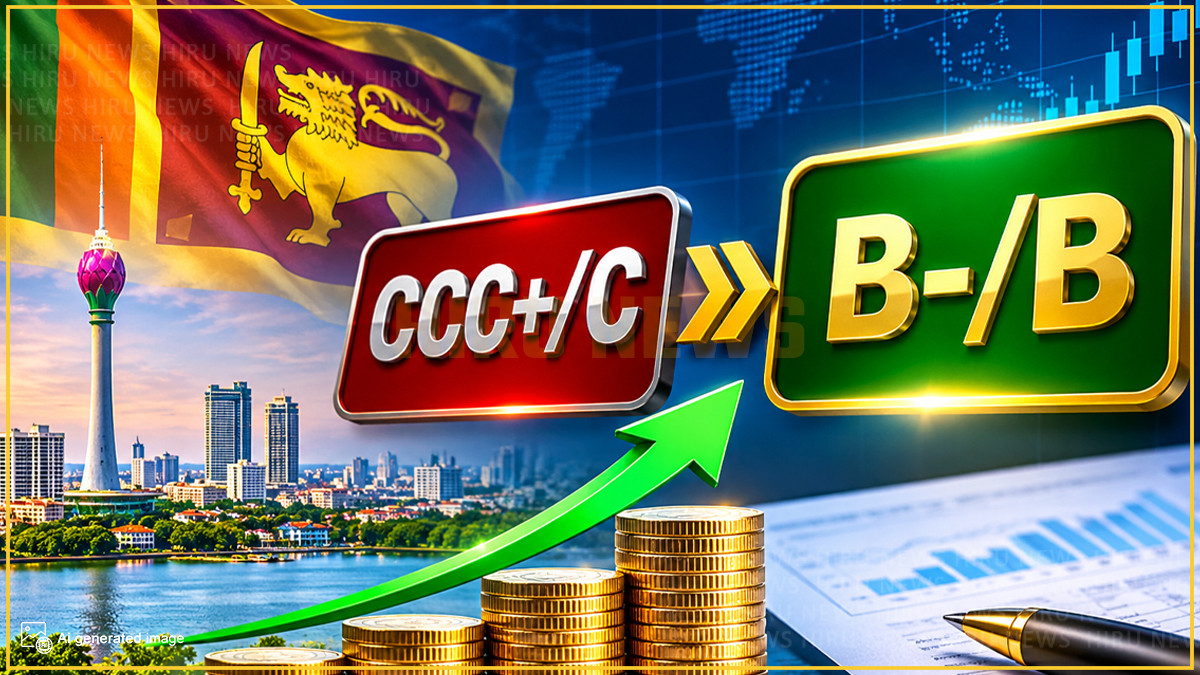
Sri Lanka credit rating upgraded to B-/B by SP Global Ratings
SP Global Ratings has upgraded Sri Lanka's credit rating to B-/B, citing improving government revenue and rising foreign reserves.
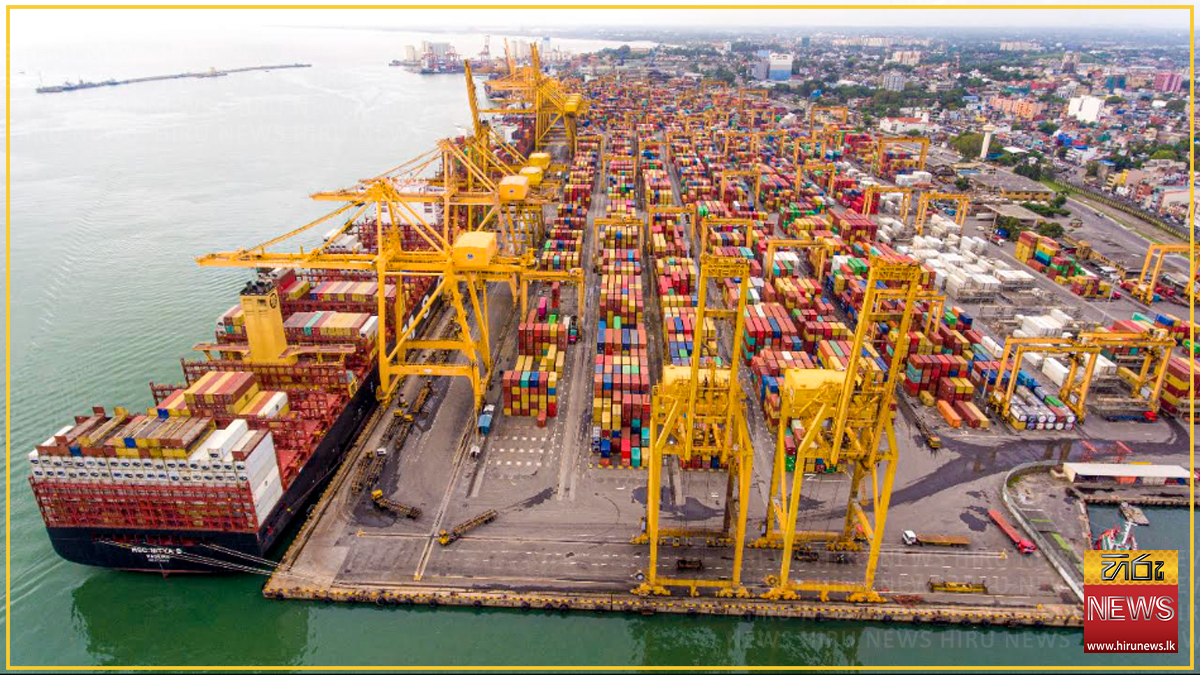
Colombo Port Ranks 17th Among World's Leading Container Ports
The Colombo Port has secured the 17th position globally in the latest UNCTAD Liner Shipping Connectivity Index, placing it among the top twenty container ports.
New insurance scheme launched for passion fruit cultivation in Sri Lanka
The Agricultural and Agrarian Insurance Board has introduced a new insurance scheme for passion fruit growers, offering coverage of around Rs. 387,000 per acre.

IRD warns of heavy fines up to 400000 rupees for delayed tax returns
Taxpayers who fail to submit their income tax returns before November 30 face fines ranging from 50000 to 400000 rupees, according to the Inland Revenue Department.
Sri Lanka and Brazil Sign Agreement to Boost Domestic Sugar Production
Sri Lanka has partnered with Brazil under a US$ 536,046 technical cooperation agreement to enhance local sugarcane cultivation and reduce heavy reliance on imported sugar.
Sri Lanka Trade Deficit Widens to USD 7.9 Billion Amid Higher Imports
Sri Lanka's trade deficit expanded to USD 7.91 billion during the first nine months of the year, driven by a significant surge in import expenditures.