Why Sri Lanka still urgently needs an independent Tax Ombudsman
Despite past budget proposals and a short-lived office in the past, Sri Lanka is yet to establish a permanent Tax Ombudsman to safeguard taxpayer rights.

In 60 seconds
- Sri Lanka previously had a Tax Ombudsman from 2005 to 2008 before the office was abolished.
- Proposals to revive the office in the 2017 and 2023 budgets were never implemented.
- Current dispute forums focus on tax amounts rather than administrative conduct and procedural delays.
As Sri Lanka continues to strengthen tax administration and revenue mobilization to support economic recovery, questions regarding fairness in state collection remain prominent. While enforcement mechanisms within the Inland Revenue Department have expanded through digital filing and data integration, the corresponding avenues for taxpayer grievance redress have not kept pace.
The idea of a Tax Ombudsman is not novel to the country. A similar office was first established in 2005 but was subsequently abolished in 2008. Although the establishment of a Tax Ombudsman was proposed again in both the 2017 and 2023 national budgets, neither proposal materialized into formal institutional reform.
Existing dispute resolution avenues, such as administrative reviews and the Tax Appeals Commission, primarily focus on tax quantum and legal assessments. They are often legalistic, time-consuming, and expensive, leaving everyday citizens and small business owners with limited options to challenge procedural unfairness, unreasonable delays, or disproportionate enforcement actions.
Establishing a statutory Tax Ombudsman backed by an Act of Parliament would provide an independent, accessible, and free platform for taxpayers. Experts note that such a mechanism would not only protect citizens but also enhance overall tax morale and compliance by fostering greater trust between the public and the state.
Sources
Rewritten by the NewsLanka desk from reports by the outlets below.
- Daily FT
Related stories
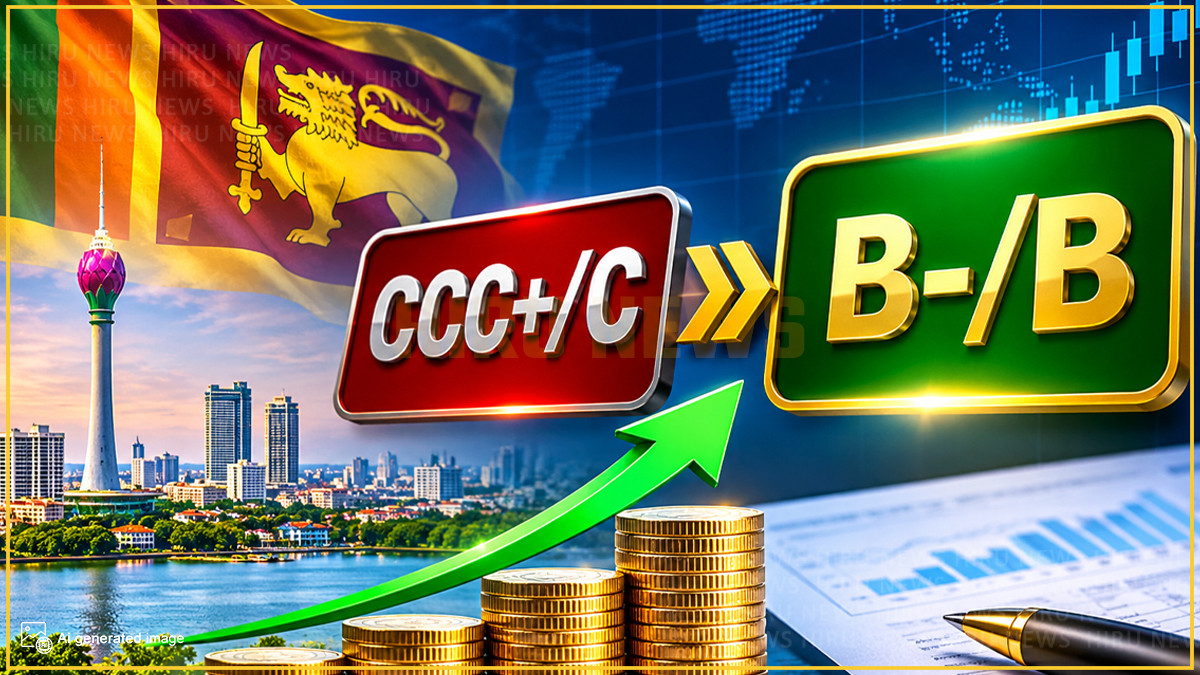
Sri Lanka credit rating upgraded to B-/B by SP Global Ratings
SP Global Ratings has upgraded Sri Lanka's credit rating to B-/B, citing improving government revenue and rising foreign reserves.
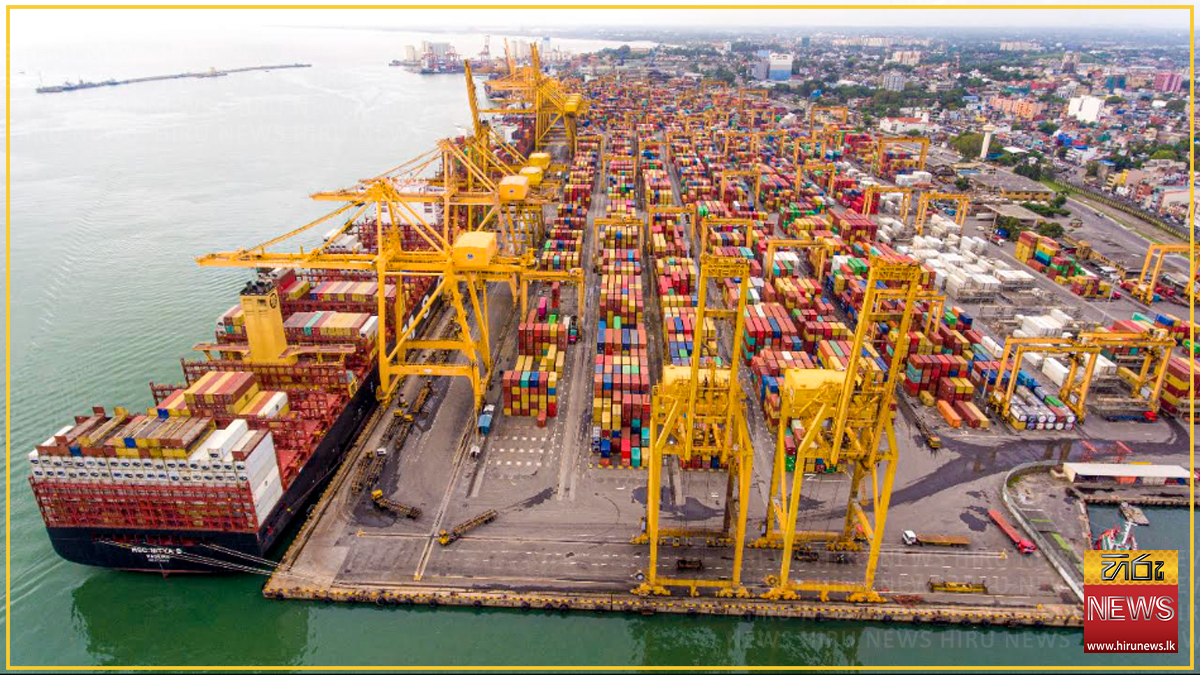
Colombo Port Ranks 17th Among World's Leading Container Ports
The Colombo Port has secured the 17th position globally in the latest UNCTAD Liner Shipping Connectivity Index, placing it among the top twenty container ports.
New insurance scheme launched for passion fruit cultivation in Sri Lanka
The Agricultural and Agrarian Insurance Board has introduced a new insurance scheme for passion fruit growers, offering coverage of around Rs. 387,000 per acre.

IRD warns of heavy fines up to 400000 rupees for delayed tax returns
Taxpayers who fail to submit their income tax returns before November 30 face fines ranging from 50000 to 400000 rupees, according to the Inland Revenue Department.
Sri Lanka and Brazil Sign Agreement to Boost Domestic Sugar Production
Sri Lanka has partnered with Brazil under a US$ 536,046 technical cooperation agreement to enhance local sugarcane cultivation and reduce heavy reliance on imported sugar.
Sri Lanka Trade Deficit Widens to USD 7.9 Billion Amid Higher Imports
Sri Lanka's trade deficit expanded to USD 7.91 billion during the first nine months of the year, driven by a significant surge in import expenditures.