Air quality drops to unhealthy levels in seven Sri Lankan areas
Data from the National Building Research Organisation shows air quality has reached unhealthy levels for sensitive groups in seven locations across the island.
The Department of Meteorology has issued an amber-level lightning warning for 13 districts, urging residents to stay cautious during evening and night thundershowers.
The Department of Meteorology has forecast afternoon or night showers in parts of the Western, Sabaragamuwa, Central, Uva, and Southern provinces.
The Central Environmental Authority reported that air quality in several parts of the country has dropped to unhealthy levels, with Chilaw recording the highest index value.
The Department of Meteorology reports that showers may occur in parts of the Uva and Southern provinces, while dry conditions prevail across the rest of the island.
Authorities have opened the spill gates of the Mau Ara Reservoir in Monaragala, releasing over 1,500 cubic feet of water per second into the downstream areas.
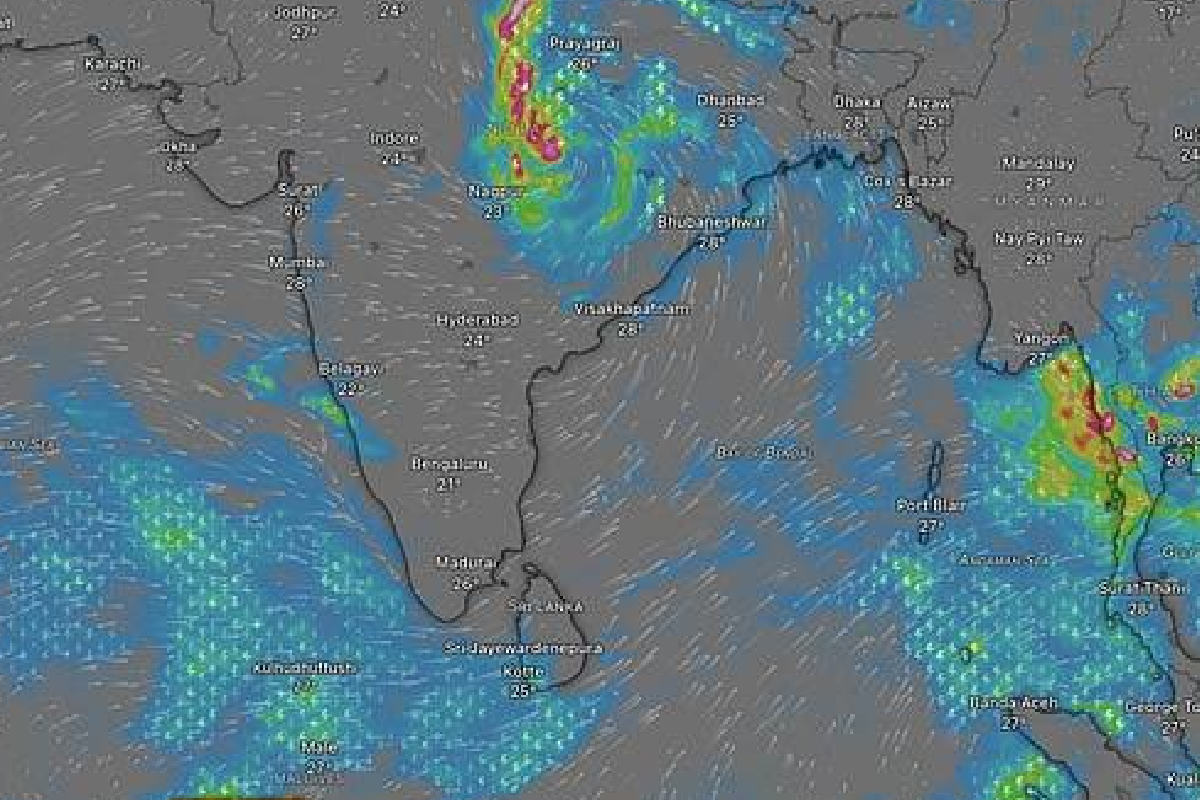
The Department of Meteorology has issued a warning that haze and reduced air quality could affect several parts of Sri Lanka over the coming days due to shifting wind patterns linked to Cyclonic Storm Akvan.
Showers or thundershowers are forecast during the evening or night in parts of the Uva and Southern provinces as well as the Ampara District.
Air quality has dropped to unhealthy levels in several parts of Sri Lanka, with authorities advising citizens to take precautions including wearing face masks.
The Central Environmental Authority warns of unhealthy air quality levels in several provinces due to cross-border pollutants linked to Bay of Bengal weather conditions.
Adverse weather conditions across the island have affected over 2,600 people from more than 760 families, with authorities confirming 11 weather-related deaths since November.
A deep depression over the Bay of Bengal has intensified and is forecast to become a severe cyclone, prompting warnings for naval and fishing communities in Sri Lanka.
The Department of Irrigation reports that 23 major reservoirs and 15 medium-scale reservoirs are currently spilling across the island.
The National Building Research Organisation has updated landslide early warnings for Divisional Secretariats across five districts following continuous rainfall.
Sri Lanka faces a heightened risk of heavy rains, flash floods, and landslides from November 15 as a low-pressure system in the Bay of Bengal could intensify into a cyclone, according to disaster management officials.
The National Building Research Organisation has issued landslide early warnings for multiple divisional secretariats across seven districts due to ongoing rainy weather.
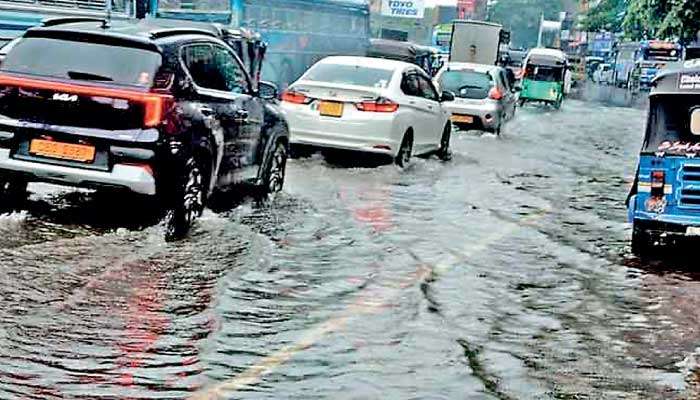
Recent heavy rains that dumped over 120mm in an hour exposed deep drainage limitations in Colombo, highlighting the urgent need for integrated flood-risk management.
The Department of Meteorology has issued a deep-sea weather warning as a developing low-pressure system in the Bay of Bengal is expected to intensify into a depression.
The Department of Meteorology has forecast spells of showers in the Northern, North Central, and Eastern provinces, with evening thundershowers elsewhere.
An unusually early breakdown of the polar vortex has brought biting cold to parts of the Northern Hemisphere, sparking an atmospheric tug-of-war with a powerful El Nino system.
The Department of Meteorology warns that an atmospheric disturbance in the southeast Bay of Bengal may develop into a depression, bringing heavy showers to parts of the island starting November 15.