Nearly 7,000 Rat Fever Cases Reported Across Sri Lanka This Year
Health authorities have urged the public to remain vigilant as leptospirosis infections near 7,000 amid ongoing monsoon rains and the start of the Maha cultivation season.
In 60 seconds
- Nearly 7,000 leptospirosis cases have been reported across Sri Lanka so far this year.
- Ratnapura, Kegalle, Galle, and Matara districts recorded the highest infection numbers.
- Monsoon rains and the Maha cultivation season have heightened the risk of further spread.
- Health authorities advise wearing protective gear and seeking immediate medical care for symptoms.
How this story developed
You are reading Nearly 7,000 Rat Fever Cases Reported Across Sri Lanka This Year
Sri Lanka has recorded nearly 7,000 cases of leptospirosis, commonly known as rat fever, so far this year. Health officials warned that infections are likely to climb further due to the prevailing monsoon weather and the commencement of the Maha agricultural season. Consultant Community Physician at the Epidemiology Unit, Thushari Dabarera, addressing a media briefing at the Health Promotion Bureau, noted that approximately 300 lives are lost to the disease annually in the country. She emphasized that the condition can prove fatal if diagnosis and medical intervention are delayed. Districts including Ratnapura, Kegalle, Galle, and Matara have registered the highest number of infections this year. Medical experts pointed out that leptospirosis cases typically surge during two distinct windows each year, from April to June and from September through January, aligning with rainy periods and farming cycles. The bacterial infection spreads when water or soil contaminated with the urine of infected animals enters the human body through cuts, abrasions, or mucous membranes. Farmers working in paddy fields, people exposed to floodwaters, and those labouring in muddy environments face the highest risk of contracting the illness. Because early symptoms often mirror those of dengue or influenza, health authorities stressed the importance of prompt medical evaluation. Individuals experiencing persistent fever, severe headaches, or intense muscle pain, particularly in the legs, are advised to seek professional care immediately without resorting to self-medication. Officials recommended wearing protective footwear and gloves when working in wet conditions, covering wounds properly, and taking preventive medication under medical advice when appropriate.
Sources
Rewritten by the NewsLanka desk from reports by the outlets below.
- Newswire
- ITN News
Related stories
New Emergency Treatment Unit Opened at Angoda Mental Health Institute
A newly established emergency treatment unit at the National Institute of Mental Health in Angoda was declared open by Health and Mass Media Minister Dr. Nalinda Jayatissa.
Why drinking tea after meals affects iron absorption and how to fix it
Health experts explain how consuming tea right after meals can hinder iron absorption, leading to fatigue and weakness, and share simple ways to boost your iron levels.
Foundation stone laid for EASCCA Academy under Batticaloa medical village project
The foundation stone for the new EASCCA Academy building was laid in Batticaloa as part of the Eastern Cancer Care Hospice medical village initiative.
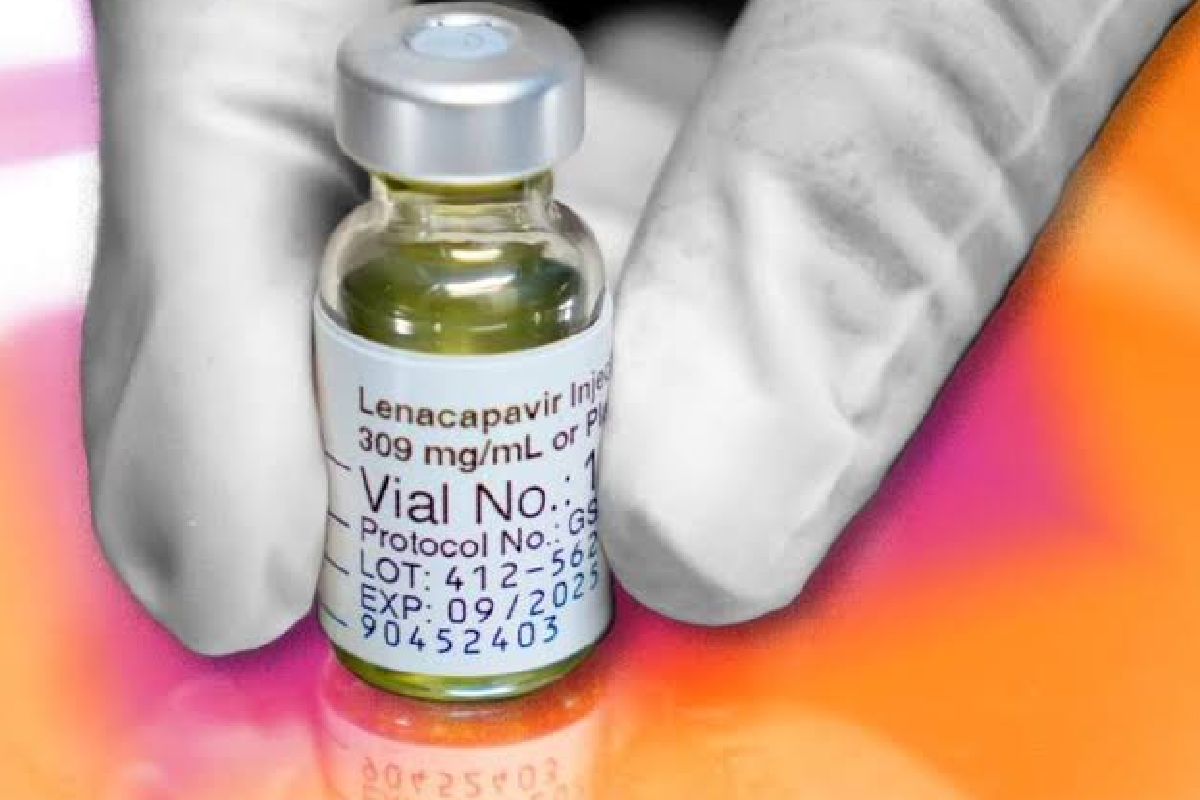
First affordable HIV prevention injections arrive in Africa
The first affordable shipments of the revolutionary HIV prevention injection Lenacapavir have arrived in Zambia, with Uganda and Zimbabwe to follow.
Nearly ten percent of Sri Lanka population affected by chronic kidney disease
About ten percent of Sri Lanka's population may be suffering from chronic kidney disease, according to Health Minister Dr. Nalinda Jayatissa. The government is expanding early screening programmes to address the crisis.
Northern Province health sector faces critical funding shortage in budget
Budgetary allocations for the Northern Province health sector under Budget 2027 remain low and may fail to address pressing healthcare needs, health officials warn.