Rat Fever Risk Rises Across Sri Lanka as Maha Season Begins
Health authorities have issued a public health warning as leptospirosis cases climb toward 7,000 amidst monsoon rains and active paddy cultivation.
In 60 seconds
- Nearly 7,000 leptospirosis cases have been recorded across Sri Lanka so far this year.
- Ratnapura, Kegalle, Galle, and Matara districts report the highest number of infections.
- Health authorities advise farmers to wear protective gear and consult doctors for preventive medication.
- Early symptoms resemble dengue and influenza, requiring prompt medical attention.
How this story developed
You are reading Rat Fever Risk Rises Across Sri Lanka as Maha Season Begins
Nearly 7,000 Rat Fever Cases Reported Across Sri Lanka This Year
Sri Lanka is confronting an elevated threat of leptospirosis, commonly known as rat fever, as the Maha agricultural season commences alongside ongoing monsoon downpours. Health officials report that nearly 7,000 infections have been documented nationwide so far this year, prompting concerns that case numbers will surge as farmers and laborers enter muddy paddy lands and waterlogged environments. The Epidemiology Unit and the Health Promotion Bureau have jointly released a special advisory, emphasizing that wet weather coupled with farming activities creates ideal conditions for the bacteria to thrive.
Medical professionals estimate that leptospirosis claims approximately 300 lives annually in the country, making prompt prevention crucial during heavy rains. Ratnapura, Kegalle, Galle, and Matara have registered the highest infection counts so far this year. The illness is bacterial, transmitted primarily through the urine of infected rodents and other animals into soil and water sources. Human infection occurs when this contaminated mud or water contacts cuts, scratches, or abrasions on the skin, posing a severe hazard for field workers lacking proper protective gear.
Authorities strongly encourage individuals engaging in paddy cultivation to consult medical practitioners regarding preventive medication rather than self-prescribing. Wearing rubber boots and suitable gloves, along with covering any skin wounds with waterproof dressings, can significantly lower exposure risks. Doctors also caution that early symptoms such as fever, severe headaches, muscle aches, and red eyes easily mirror other ailments like dengue or influenza, meaning anyone with a history of muddy exposure who feels unwell should seek immediate professional medical evaluation rather than delaying treatment.
Sources
Rewritten by the NewsLanka desk from reports by the outlets below.
- Lanka News Web
- Gagana
Related stories
New Emergency Treatment Unit Opened at Angoda Mental Health Institute
A newly established emergency treatment unit at the National Institute of Mental Health in Angoda was declared open by Health and Mass Media Minister Dr. Nalinda Jayatissa.
Why drinking tea after meals affects iron absorption and how to fix it
Health experts explain how consuming tea right after meals can hinder iron absorption, leading to fatigue and weakness, and share simple ways to boost your iron levels.
Foundation stone laid for EASCCA Academy under Batticaloa medical village project
The foundation stone for the new EASCCA Academy building was laid in Batticaloa as part of the Eastern Cancer Care Hospice medical village initiative.
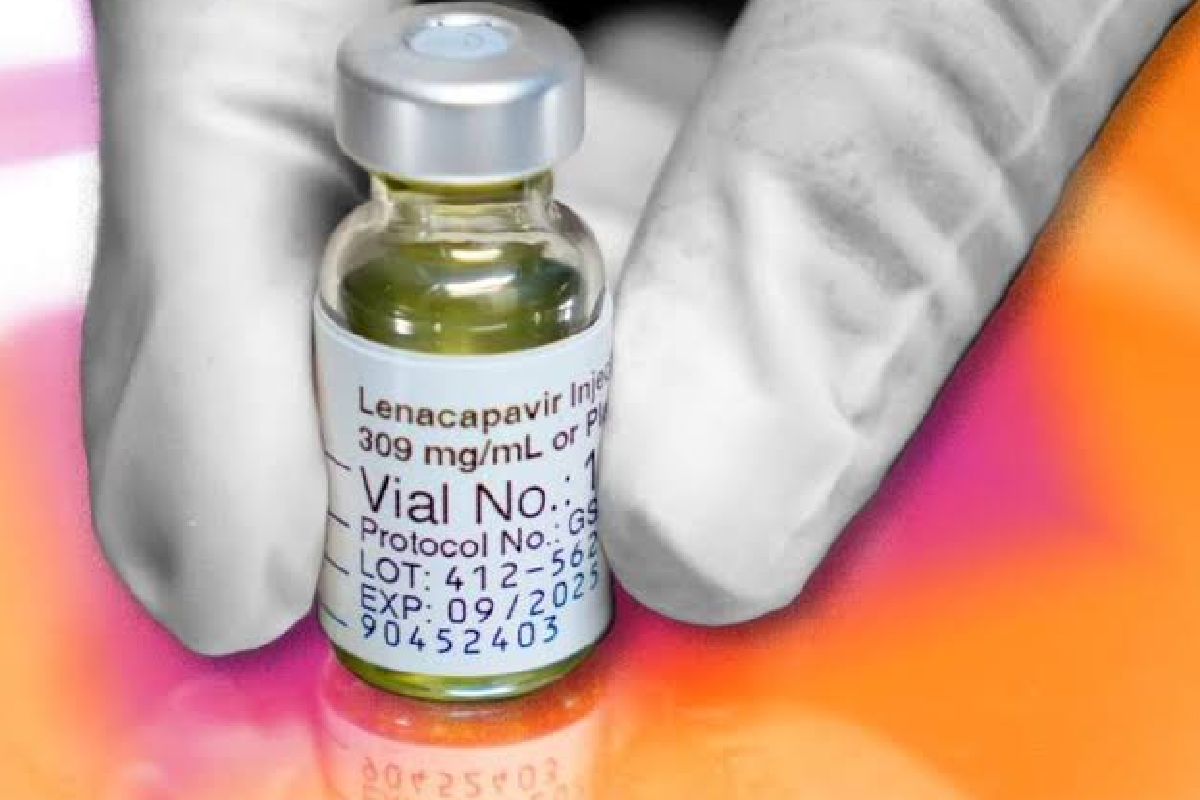
First affordable HIV prevention injections arrive in Africa
The first affordable shipments of the revolutionary HIV prevention injection Lenacapavir have arrived in Zambia, with Uganda and Zimbabwe to follow.
Nearly ten percent of Sri Lanka population affected by chronic kidney disease
About ten percent of Sri Lanka's population may be suffering from chronic kidney disease, according to Health Minister Dr. Nalinda Jayatissa. The government is expanding early screening programmes to address the crisis.
Northern Province health sector faces critical funding shortage in budget
Budgetary allocations for the Northern Province health sector under Budget 2027 remain low and may fail to address pressing healthcare needs, health officials warn.